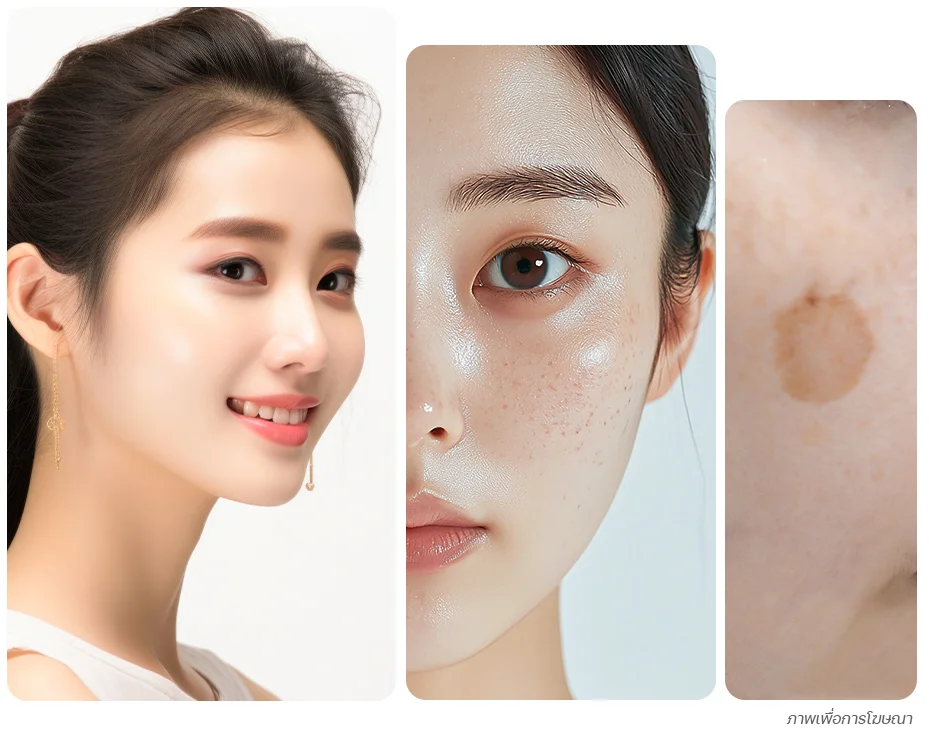
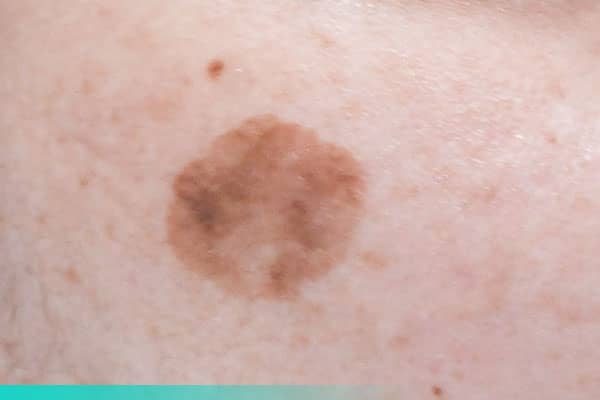
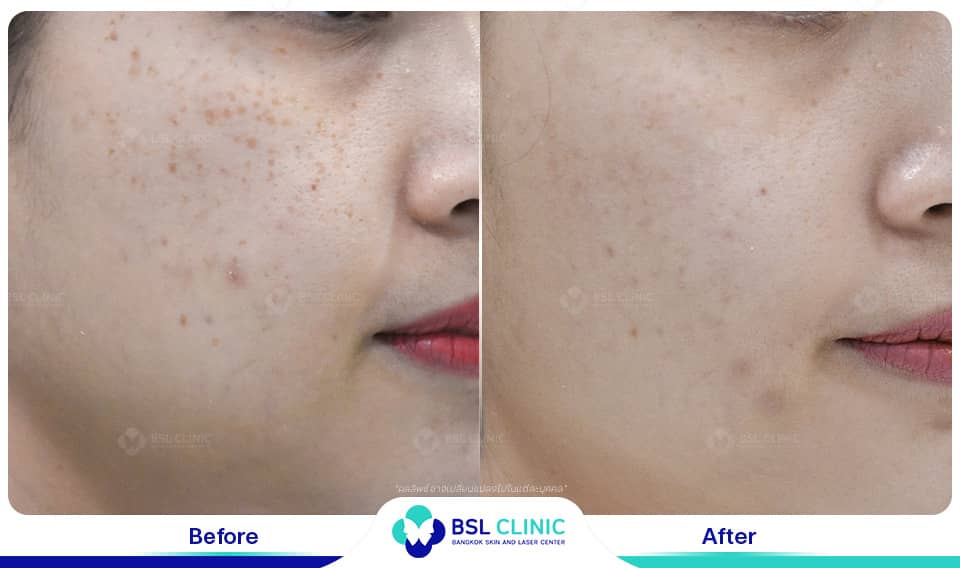
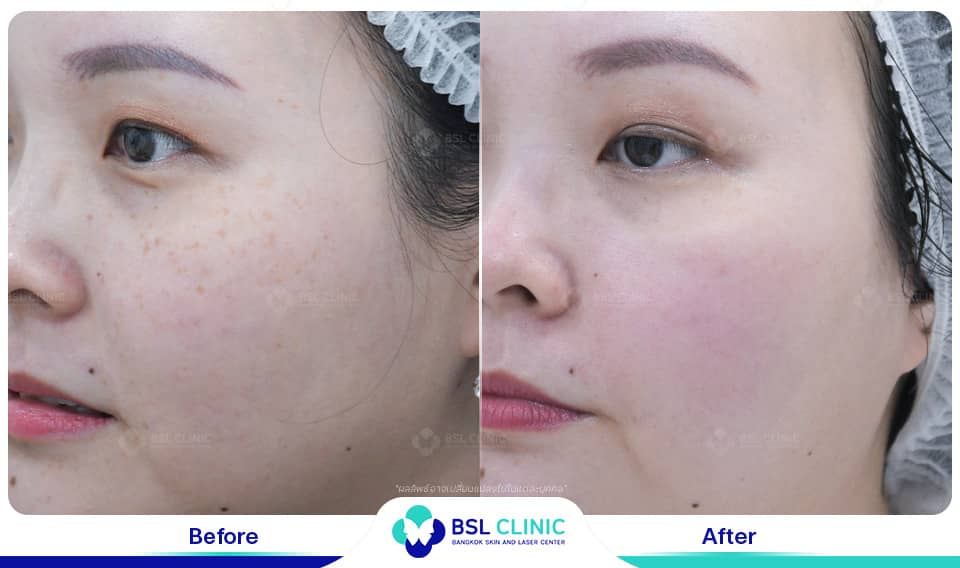
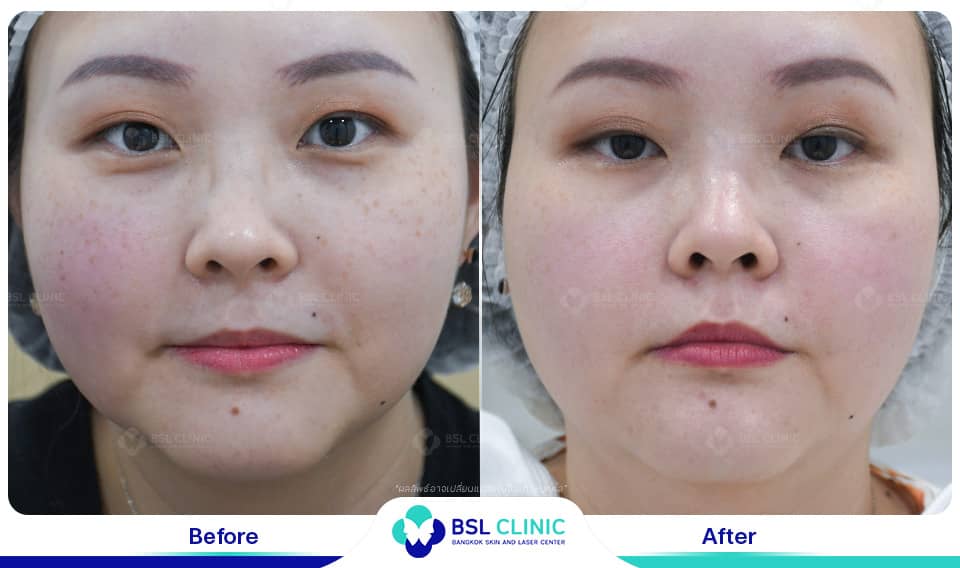
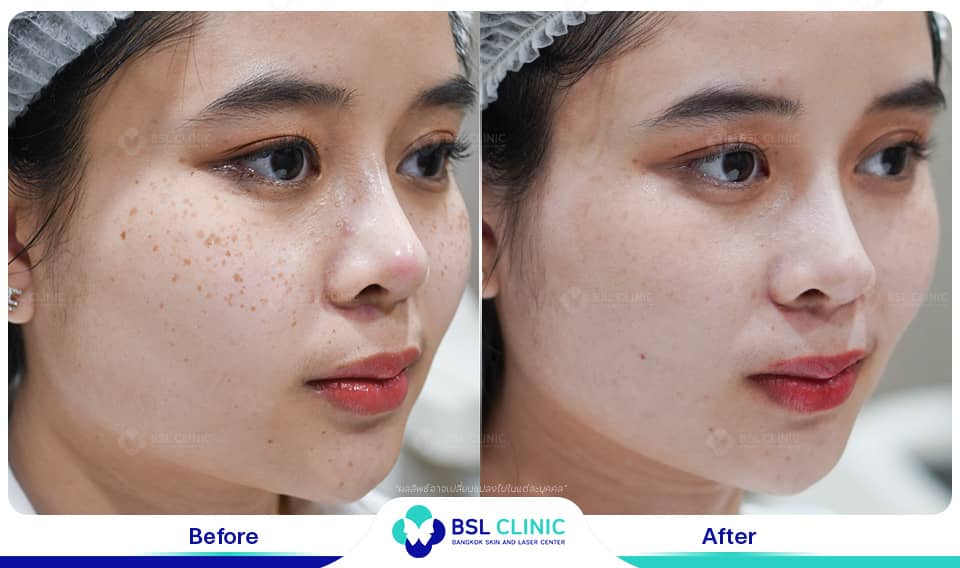
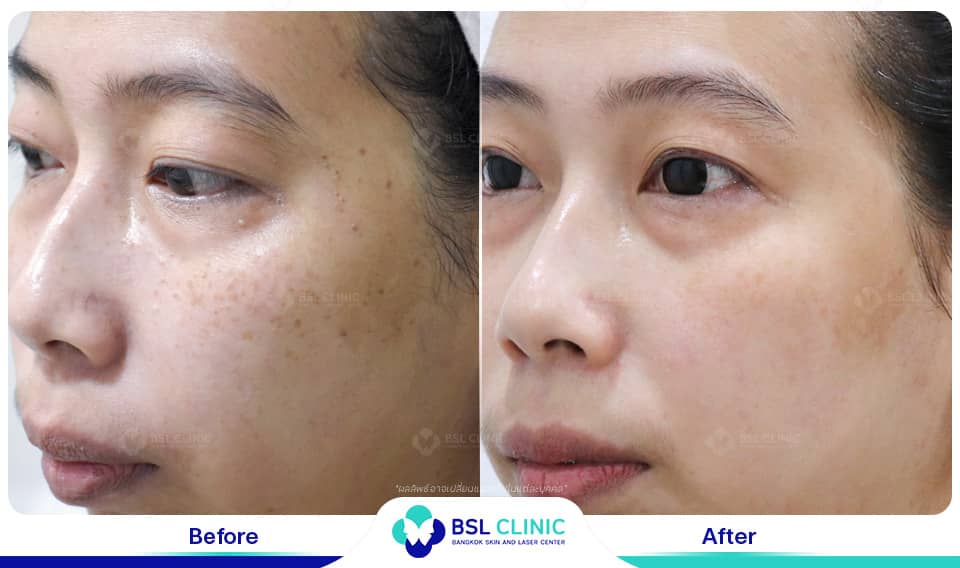
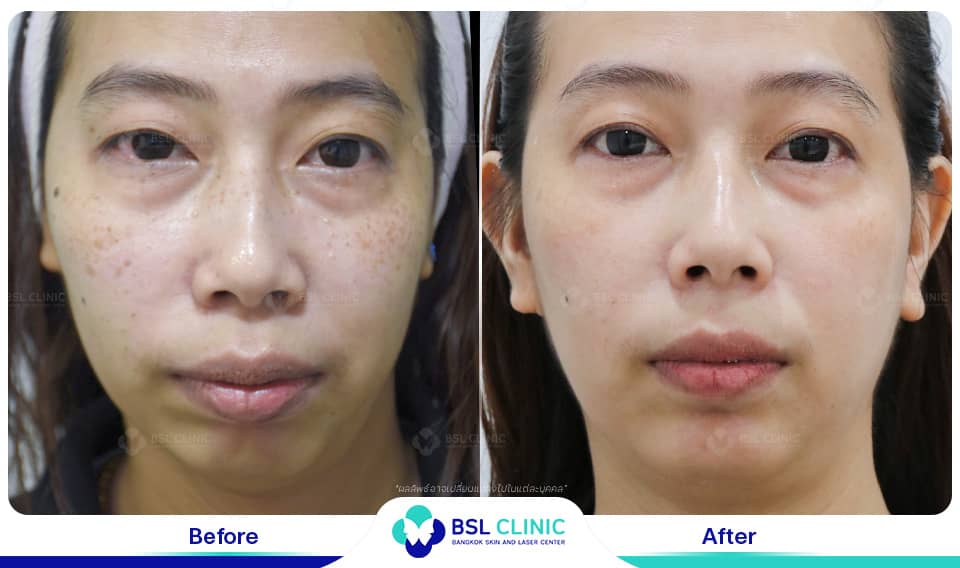
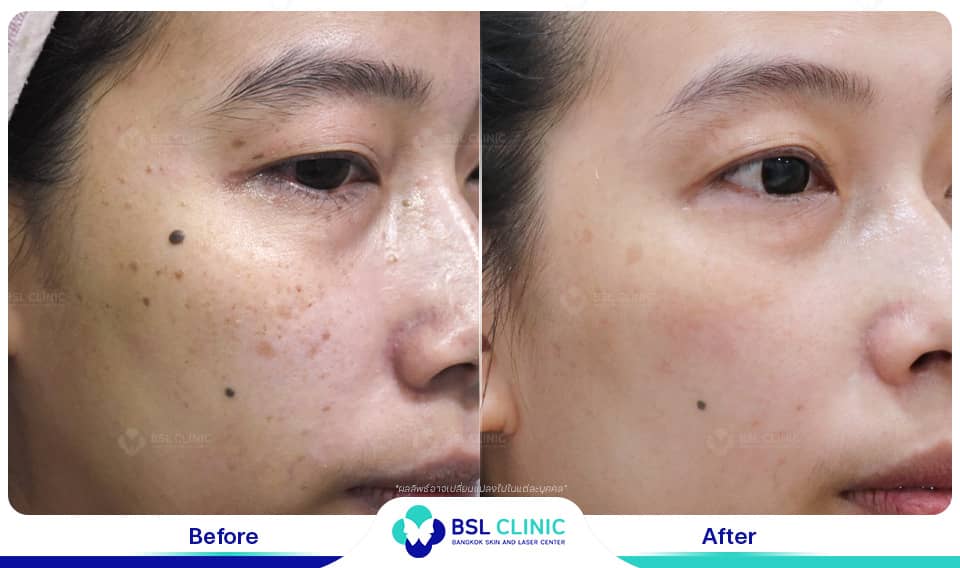
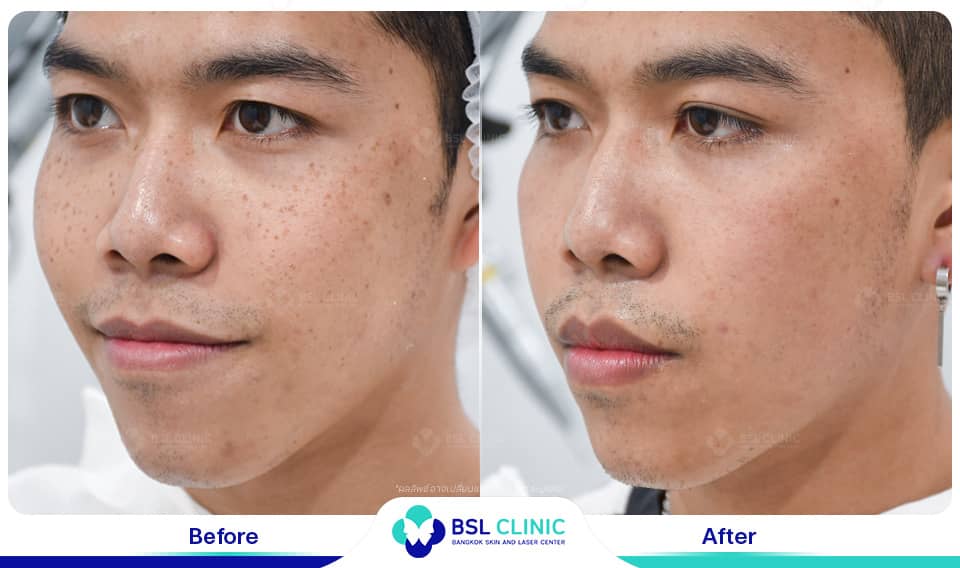
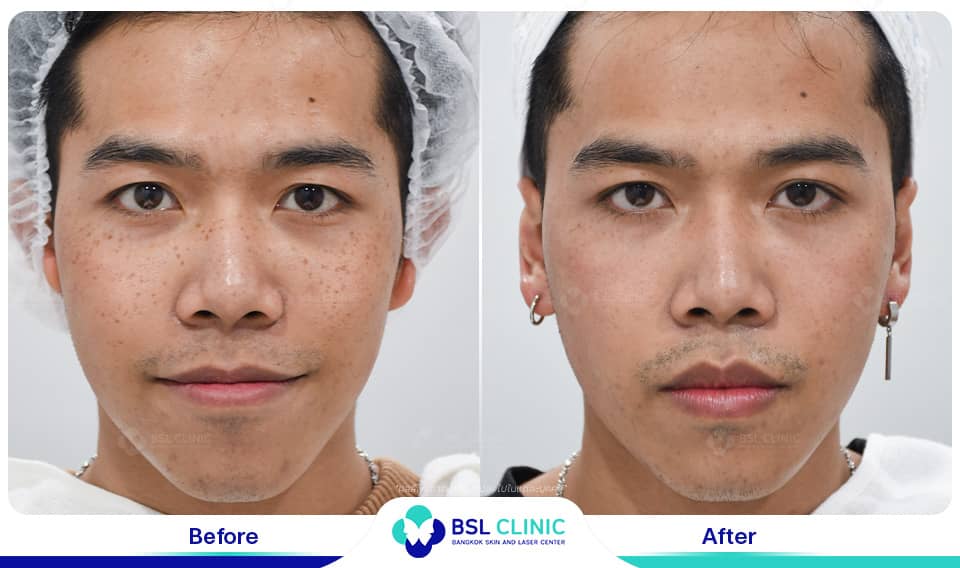
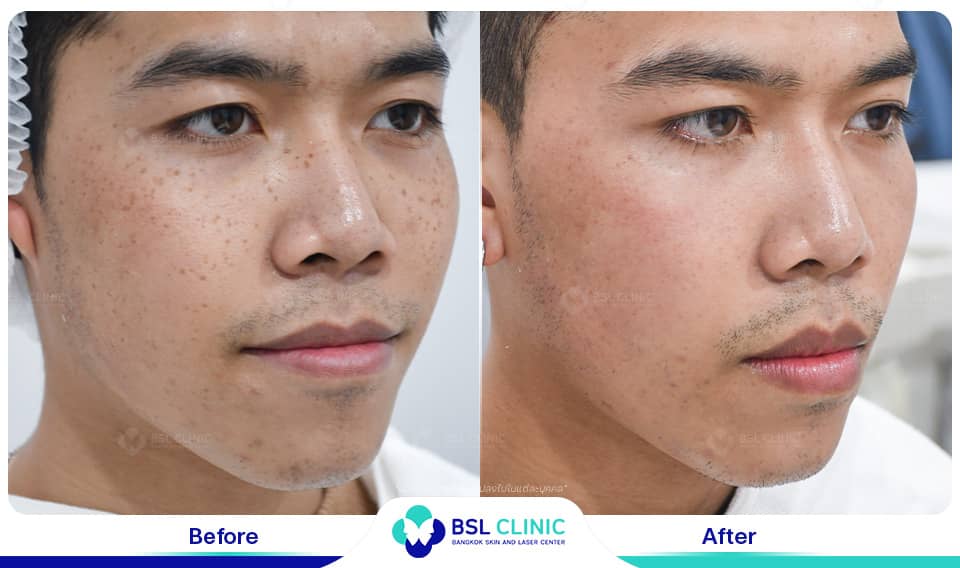
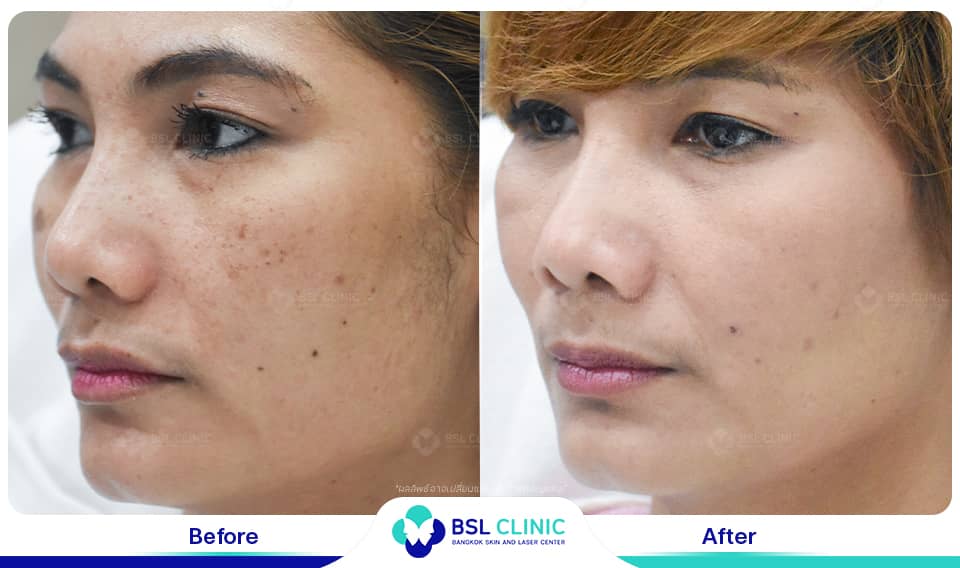
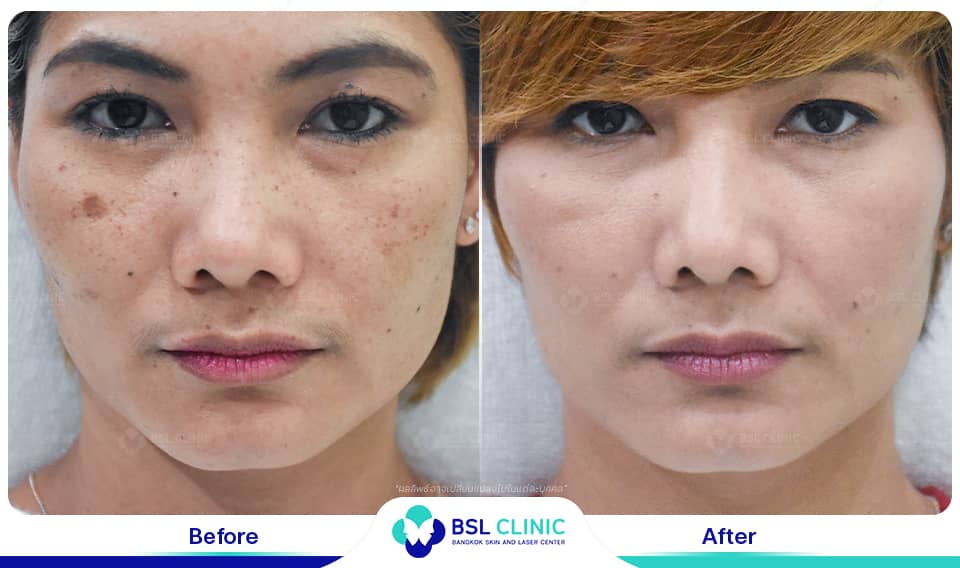
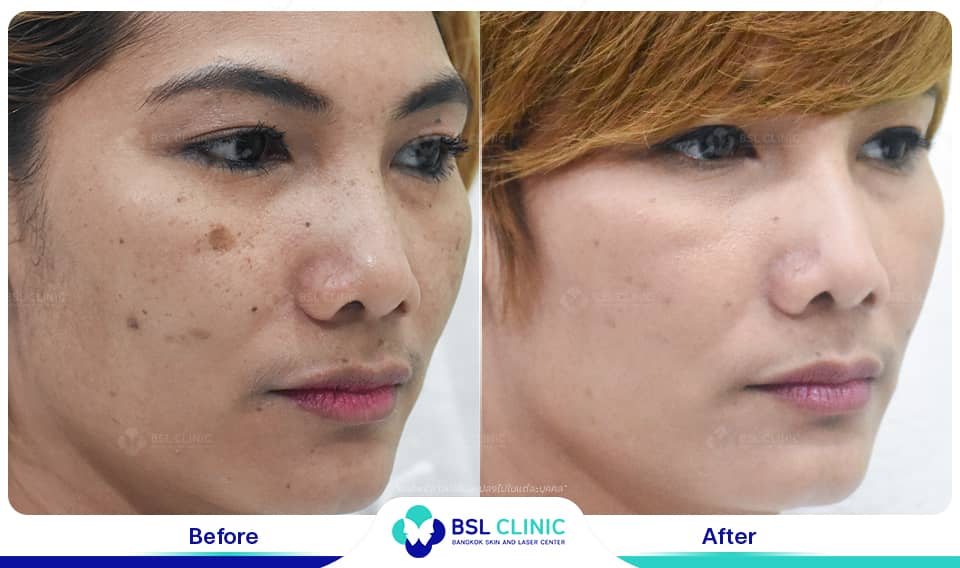
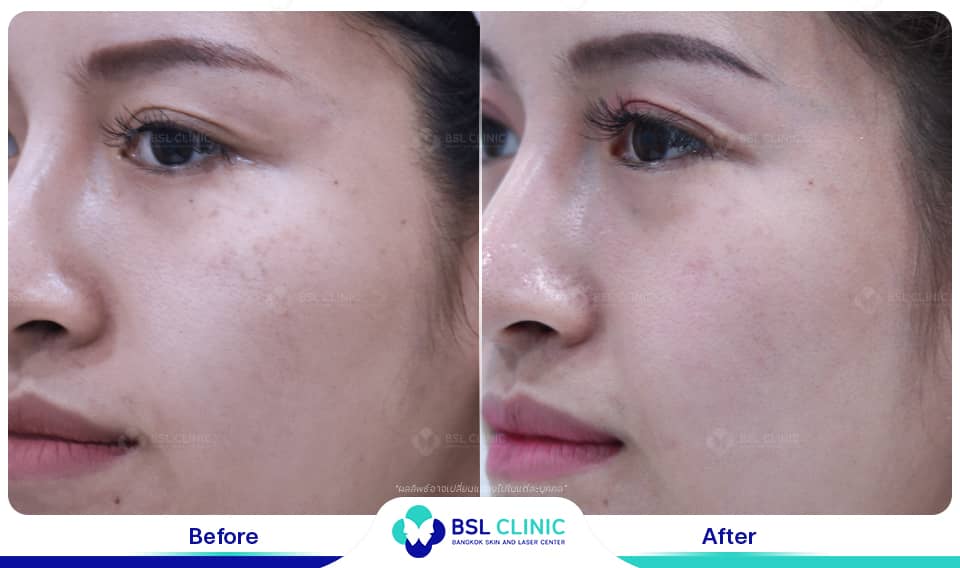
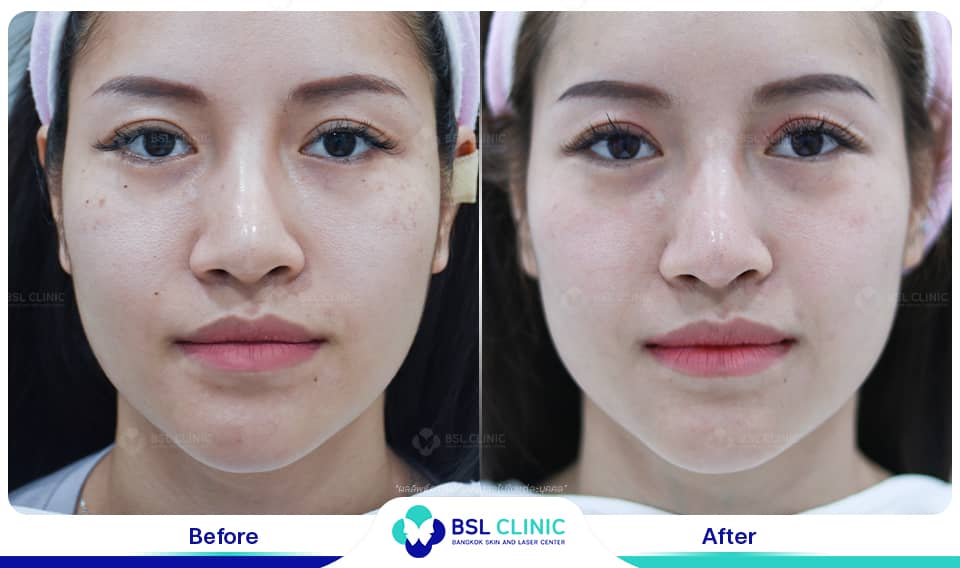
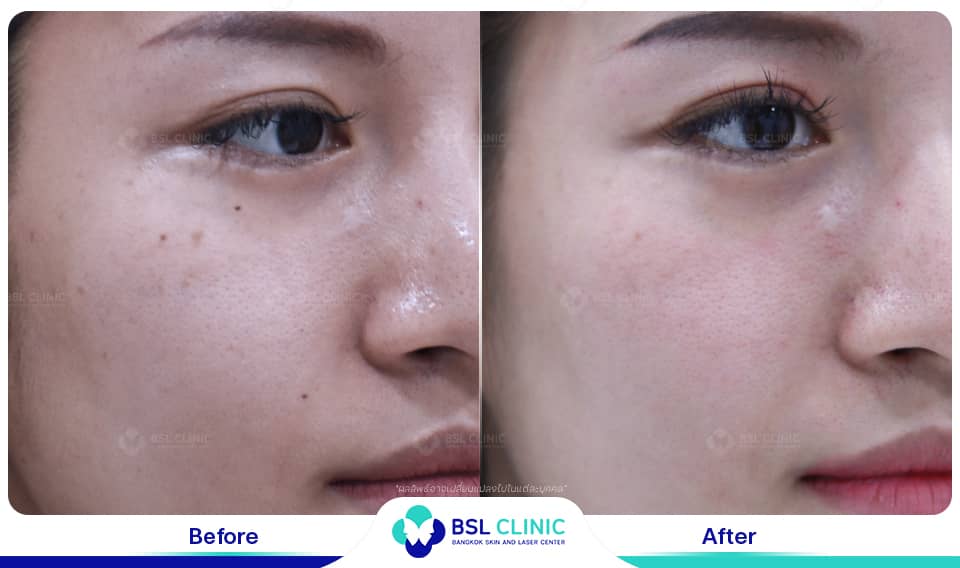
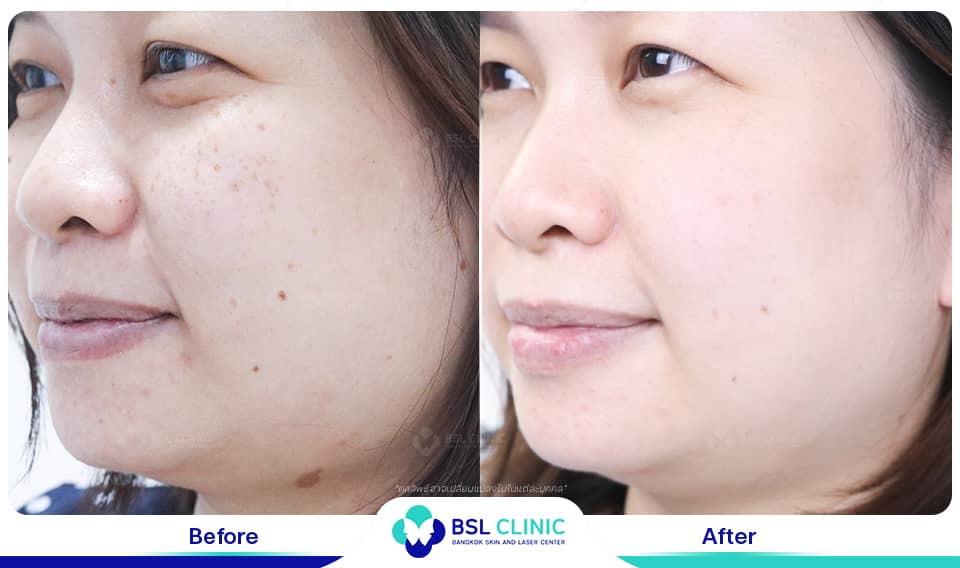
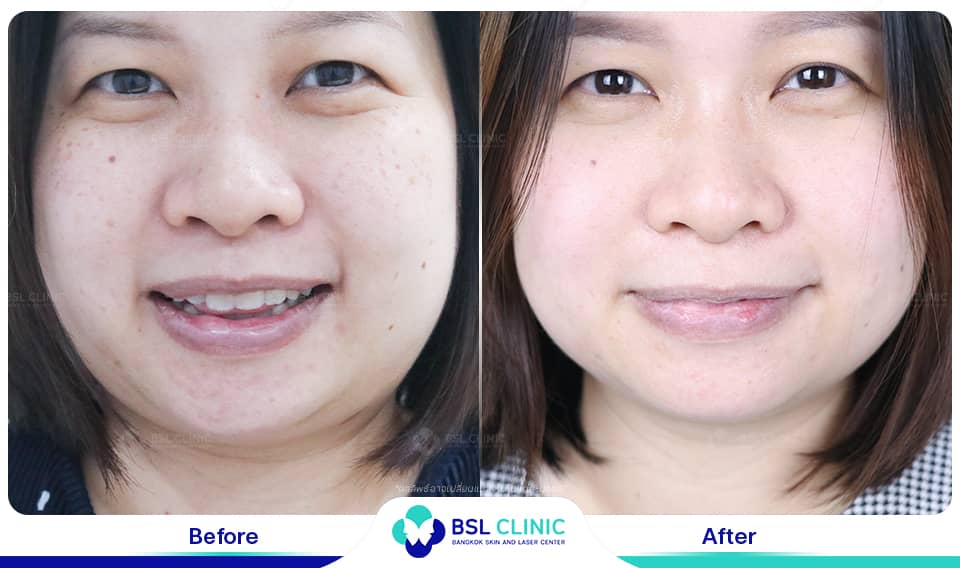
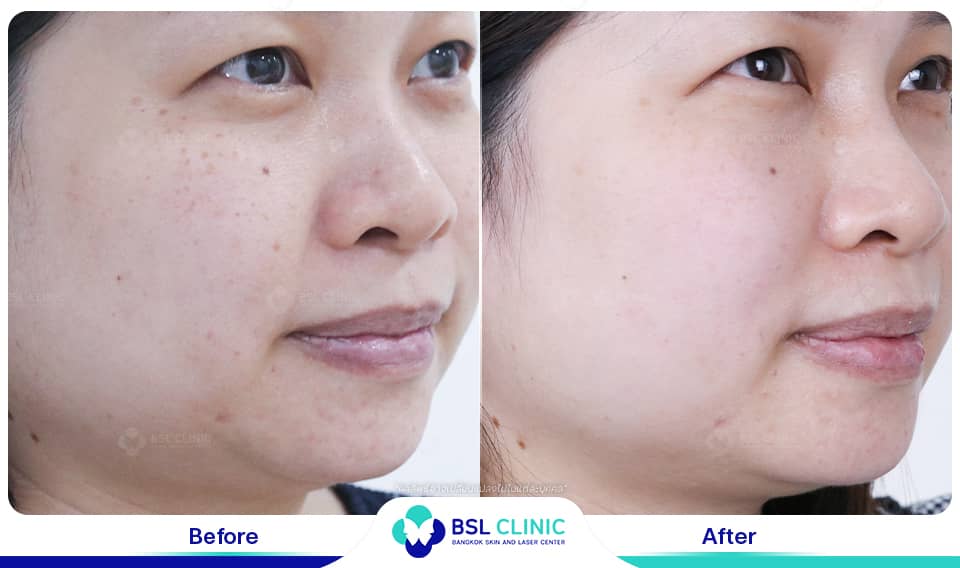
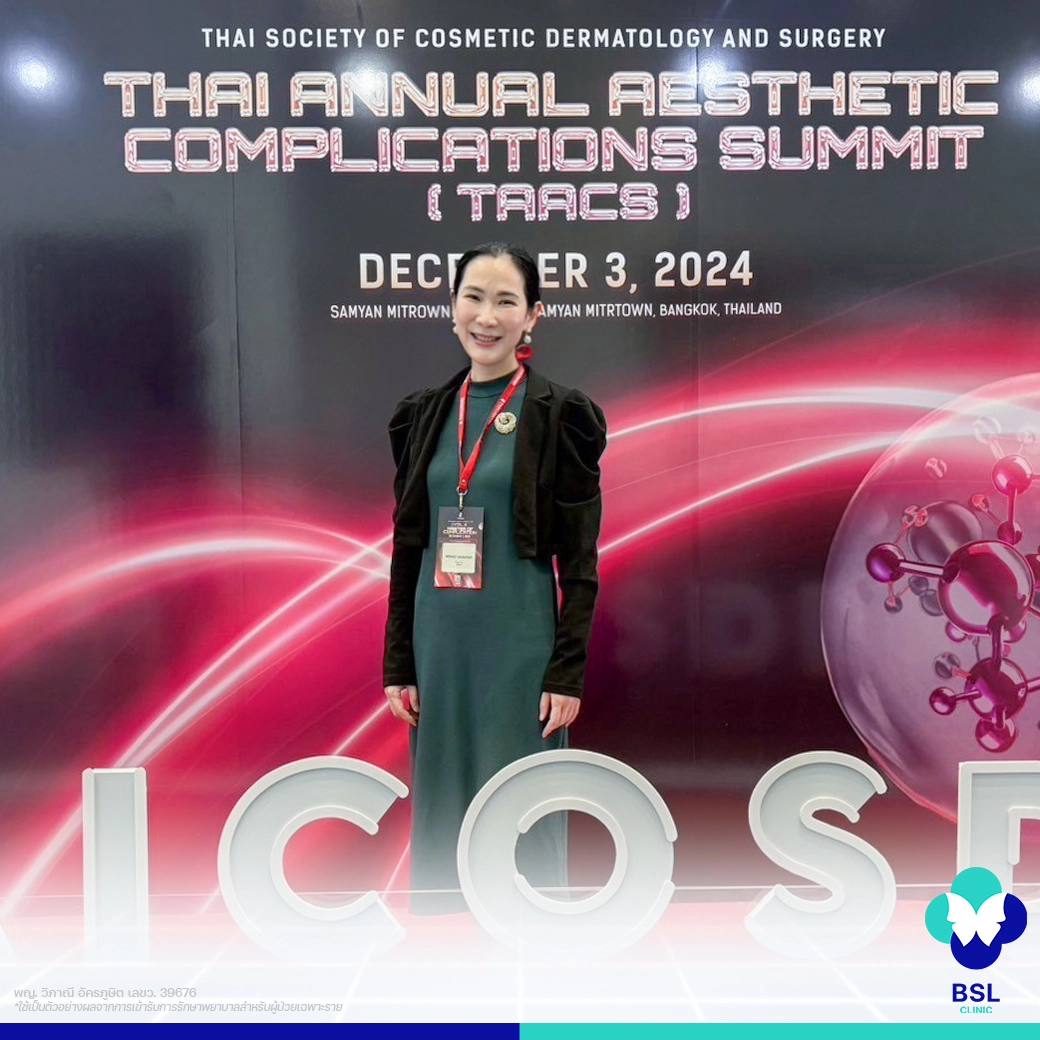
Not all brown spots are true freckles. Different types of pigmentation can develop at different depths of the skin.

Some form in the upper layer (epidermis), while others develop deeper in the dermis. Genetics, sun exposure, and skin type all influence how these spots appear. Identifying the depth of pigment helps determine the most suitable treatment approach.

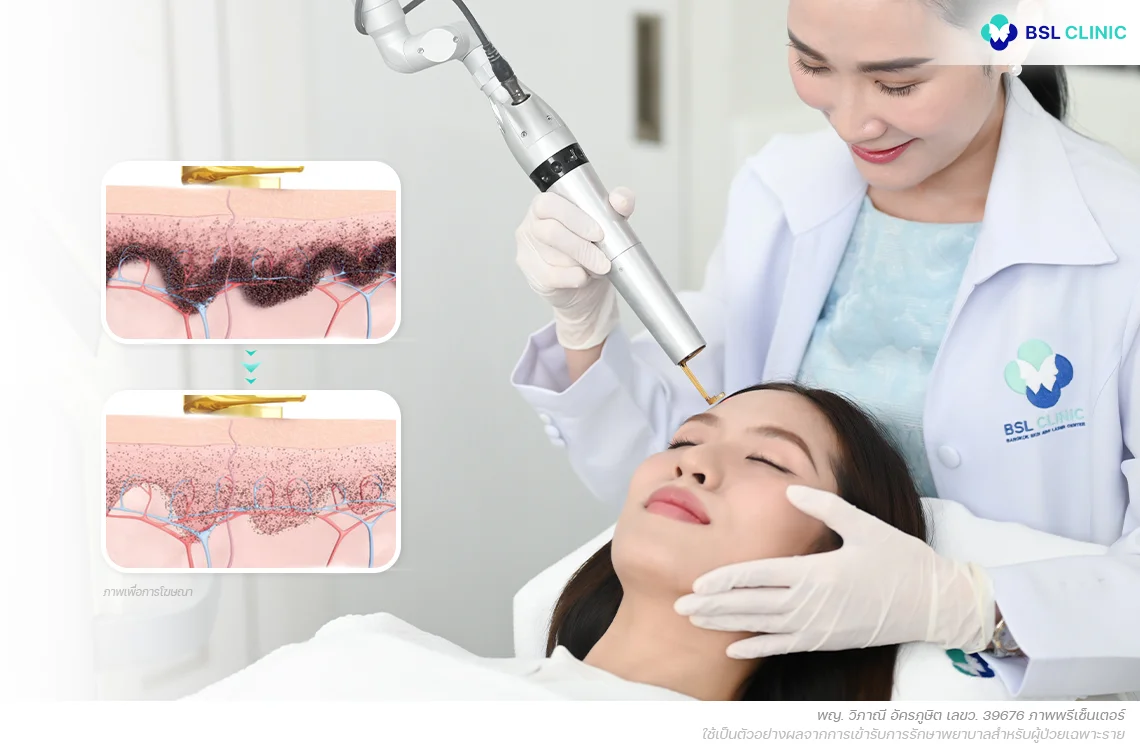
ภาพเพื่อการโฆษณา
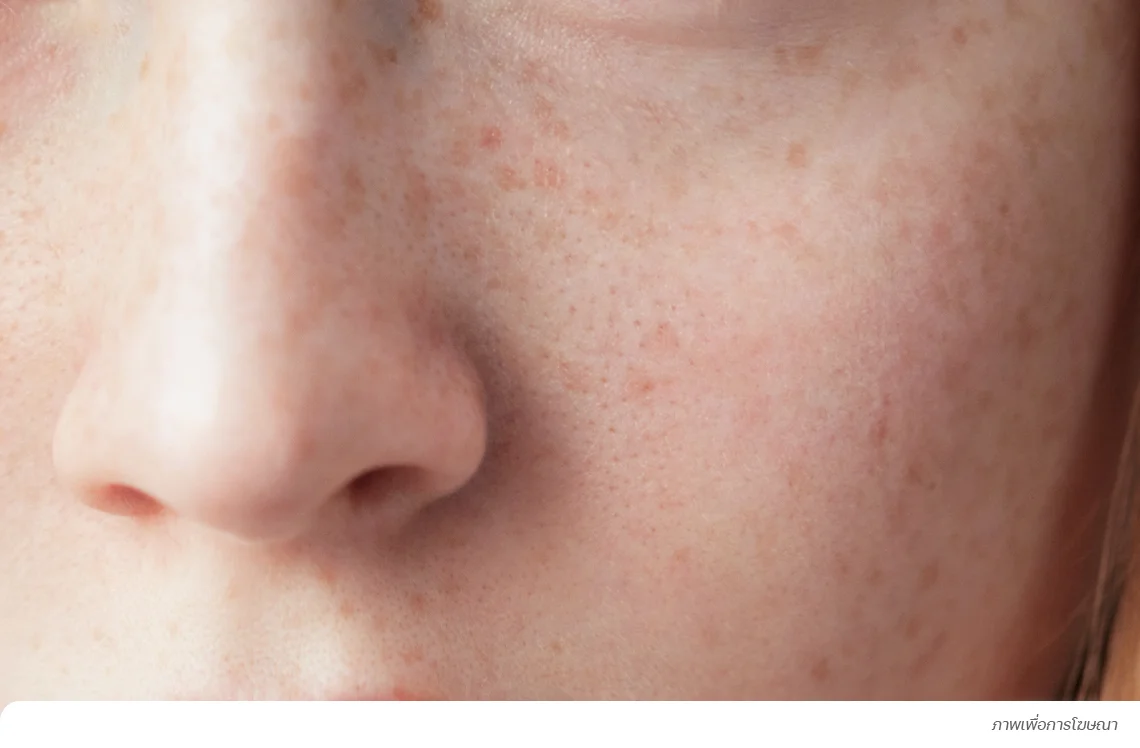
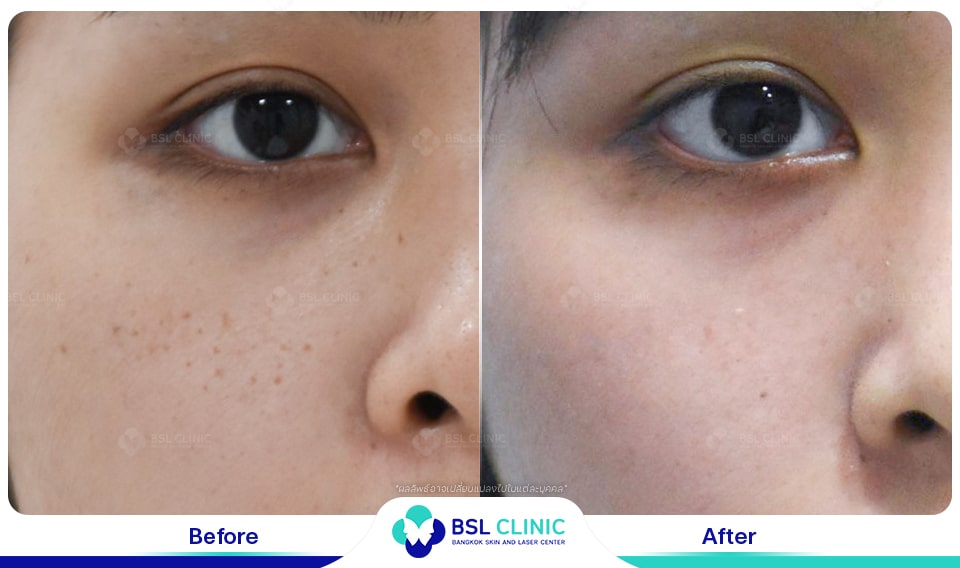
Freckles are small brown spots that appear on sun-exposed areas such as the cheeks and nose. They are influenced by genetics and tend to darken with sun exposure and fade when UV exposure decreases.
Freckles form in the epidermis (outer skin layer), which is why they usually have well-defined borders.

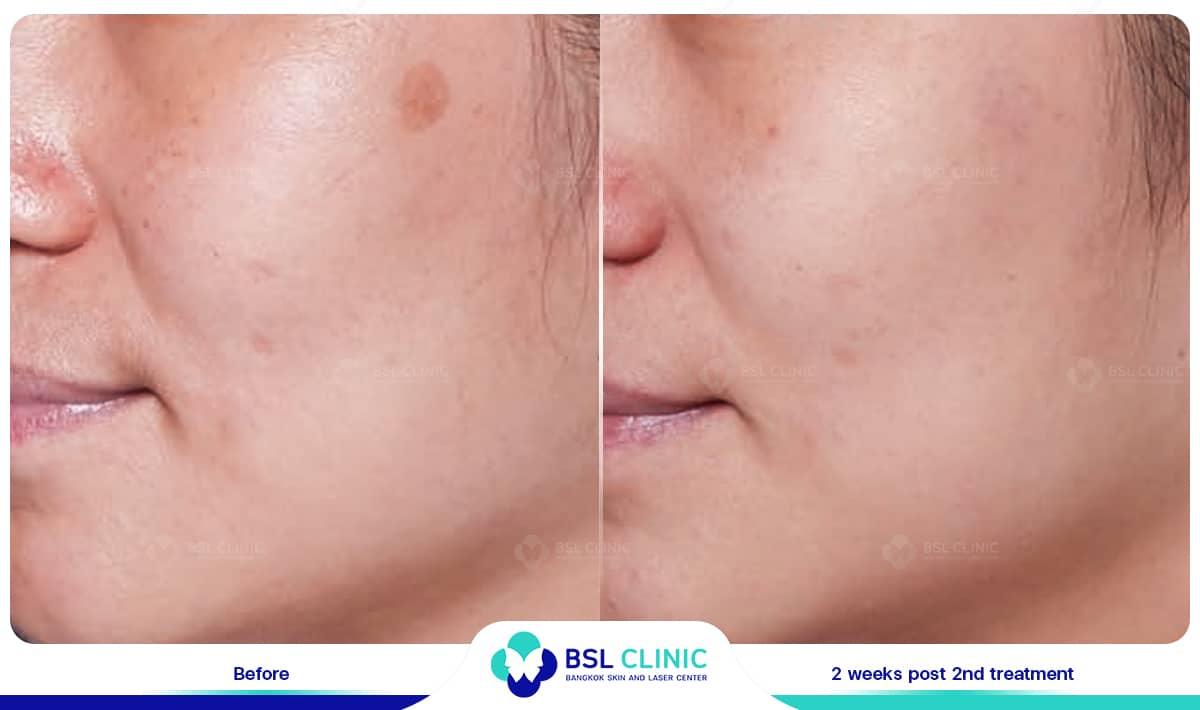
ภาพเพื่อการโฆษณา
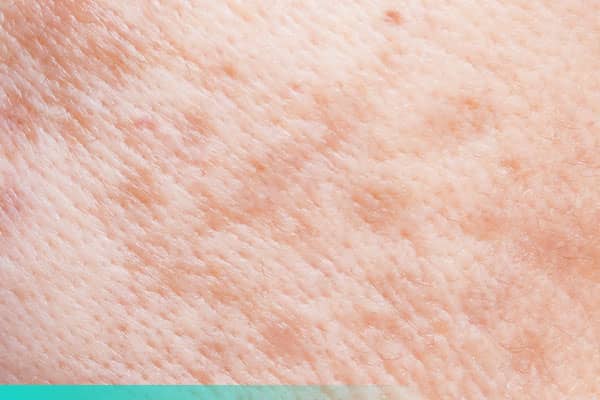
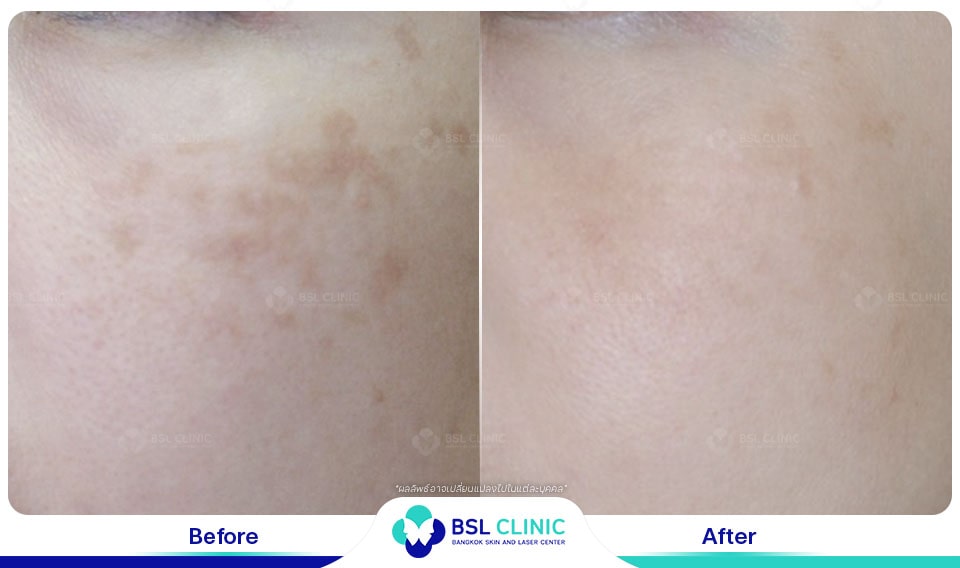
Hori’s nevus appears as grayish-brown or bluish patches, commonly on both cheeks. It is more frequently observed in Asian skin types and often develops in adulthood.
Unlike freckles, it forms deeper in the dermis, making it a different type of pigmentation.

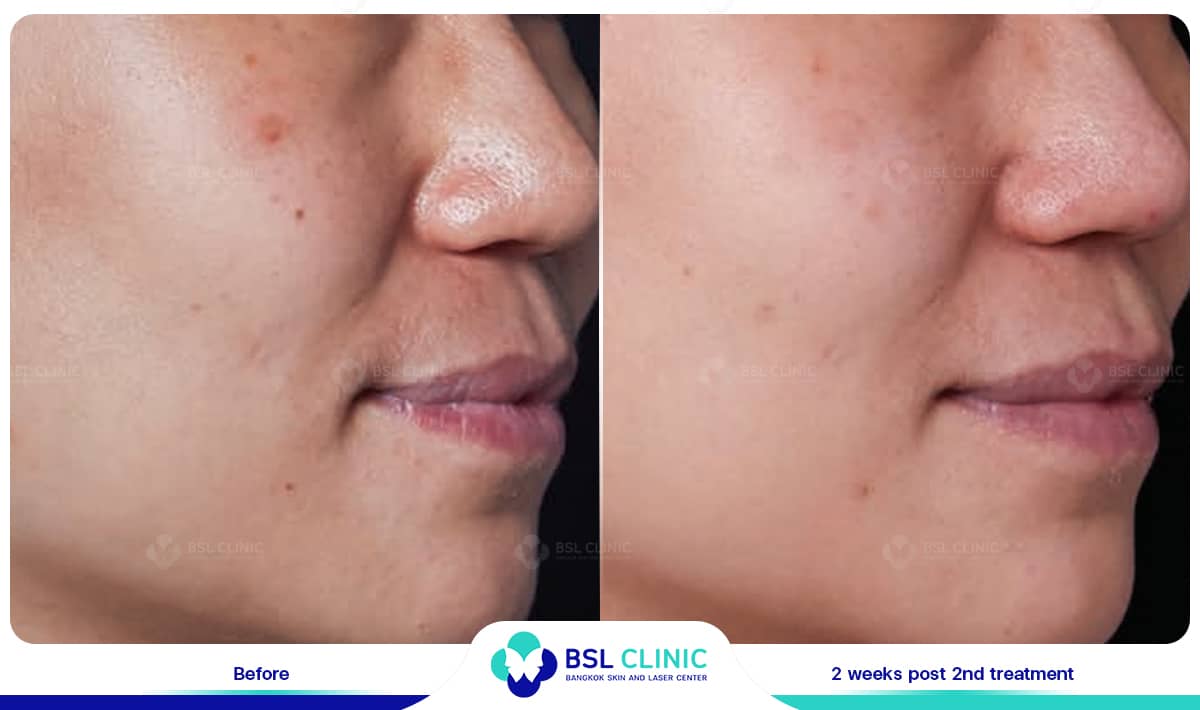
ภาพเพื่อการโฆษณา
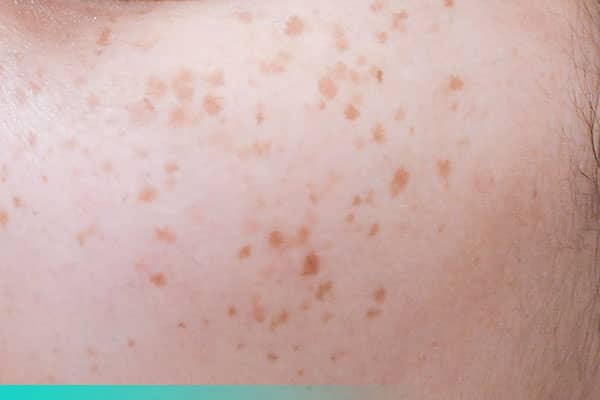
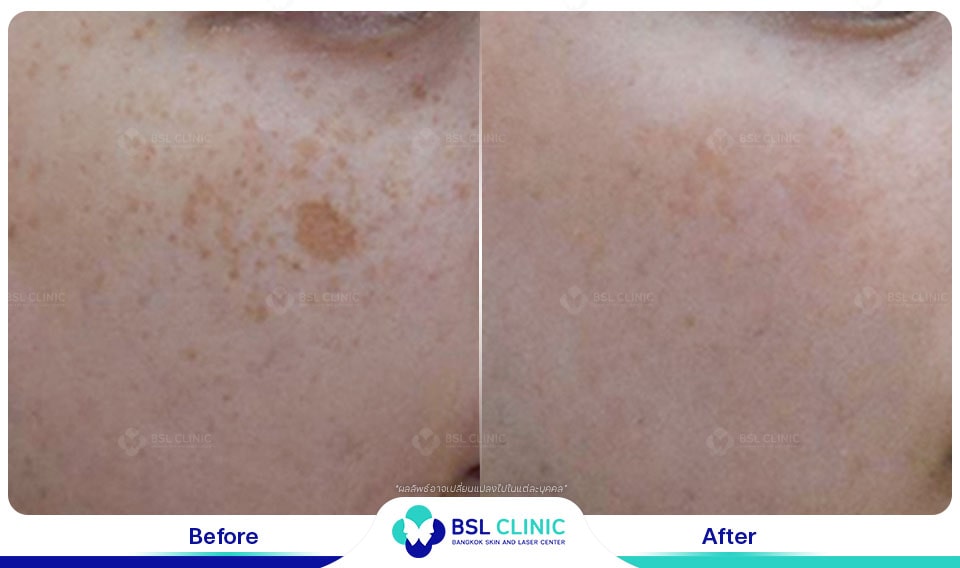
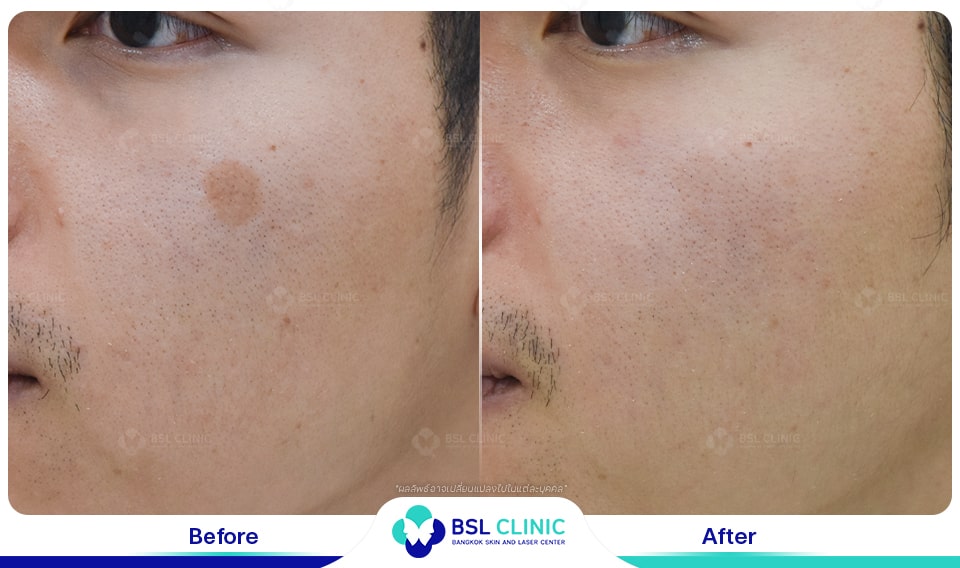
Solar lentigines, or sun spots, are flat brown patches caused by long-term UV exposure. They commonly develop in areas frequently exposed to sunlight.
These spots are associated with cumulative sun damage and tend to persist over time.
These 3 conditions are collectively considered pigmentary freckles. They develop beneath the skin and are flat, without any raised texture.
Pigmented freckles are a common skin concern, as they directly affect overall skin tone. Uneven melanin distribution can make the complexion appear dull or less uniform. Freckles, Hori’s nevus, and solar lentigines—often linked to sun exposure and genetics—may become more noticeable over time and affect confidence.
At BSL Clinic, we understand how frustrating freckles and dark spots can be. Many people have tried creams or heavy makeup to conceal pigmentation, only to see little improvement.
Our approach focuses on identifying the underlying cause of each type of pigmentation and designing a personalized treatment plan accordingly—supporting clearer-looking skin and renewed confidence.

Picoway Laser Program

Pigmentation Reduction Laser

Pigmentation Removal Laser
Pigmentation concerns such as melasma, freckles, and dark spots may appear similar, but their response to treatment depends on multiple factors—including pigment depth, skin type, and how the laser is selected and calibrated. Each type of pigmentation develops in different layers of the skin, which affects its intensity and appearance.
At BSL Clinic, we use a range of laser wavelengths to precisely target pigment at its specific depth. This tailored laser treatment for dark spots allows for more focused pigment reduction, helping improve overall skin clarity and tone.

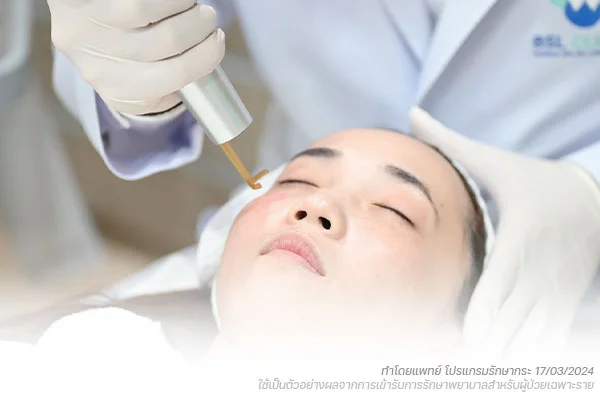
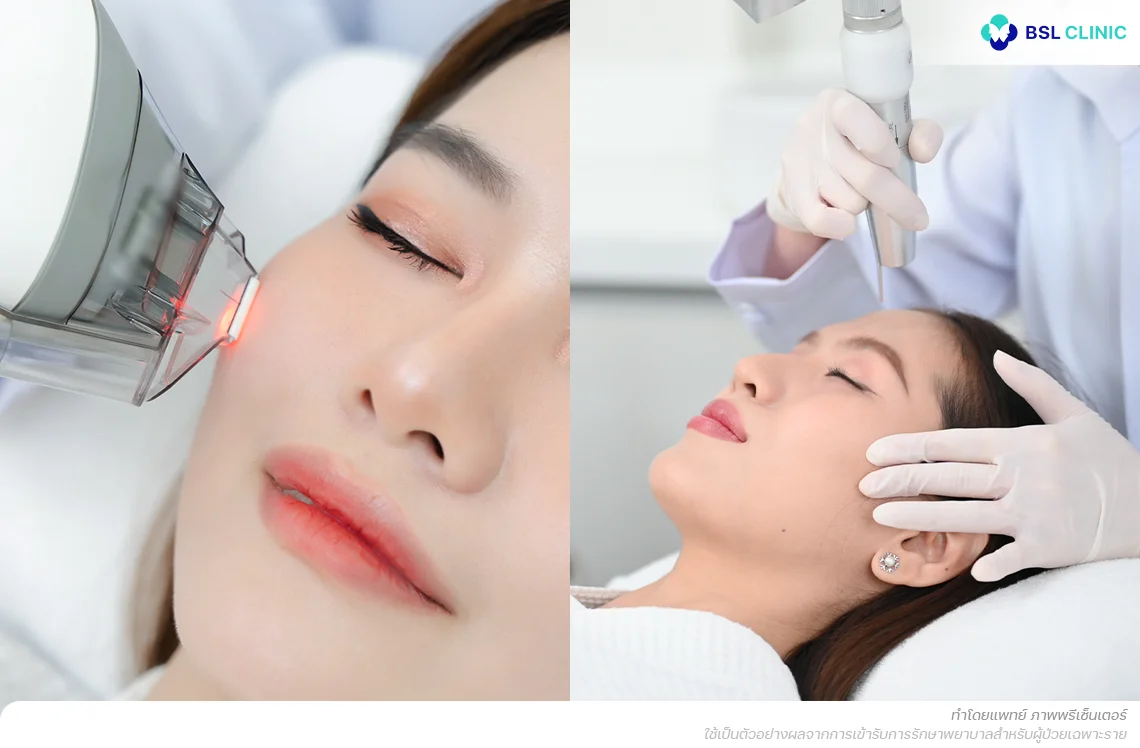
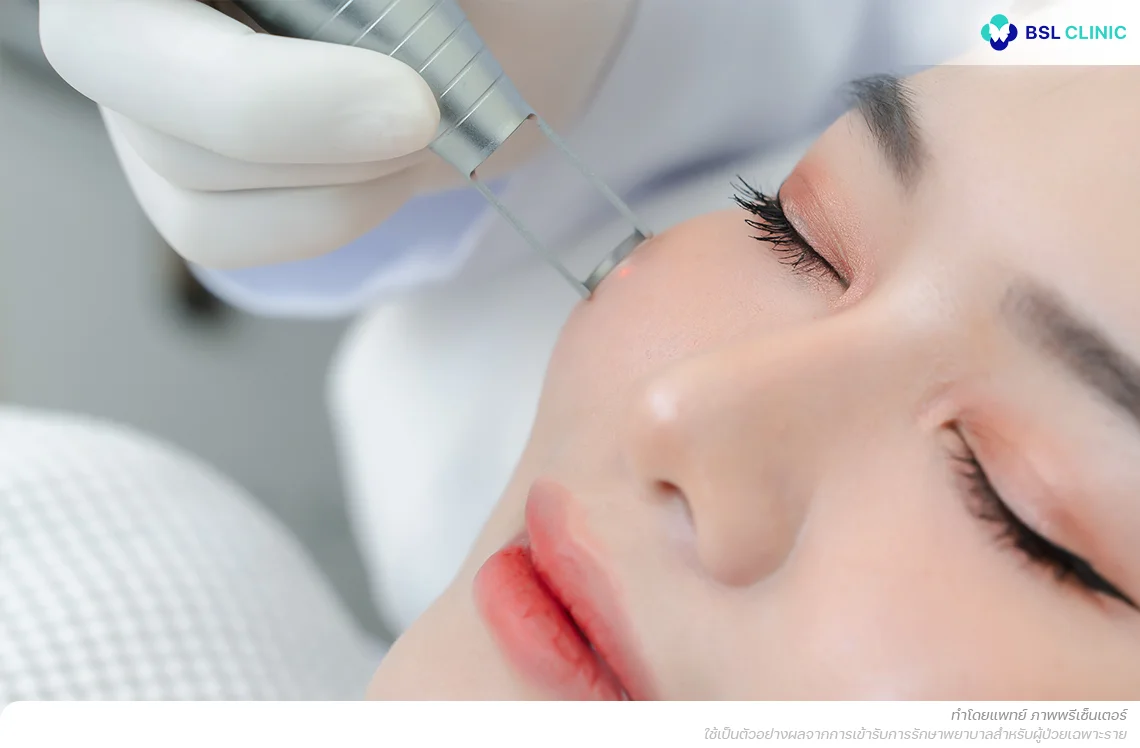
The PicoWay Laser Program is a type of pico laser technology designed with ultra-short pulse durations. These rapid pulses deliver energy to pigment particles with minimal heat buildup, helping break pigment into smaller fragments for gradual clearance.
At BSL Clinic, we use the PicoWay 730 nm Program together with PicoWay Zoom 532 nm and 1064 nm Programs to address different types and depths of freckles and dark spots. Laser wavelength selection is carefully adjusted based on pigment type and intensity to support effective pigment reduction while minimizing unwanted thermal effects.


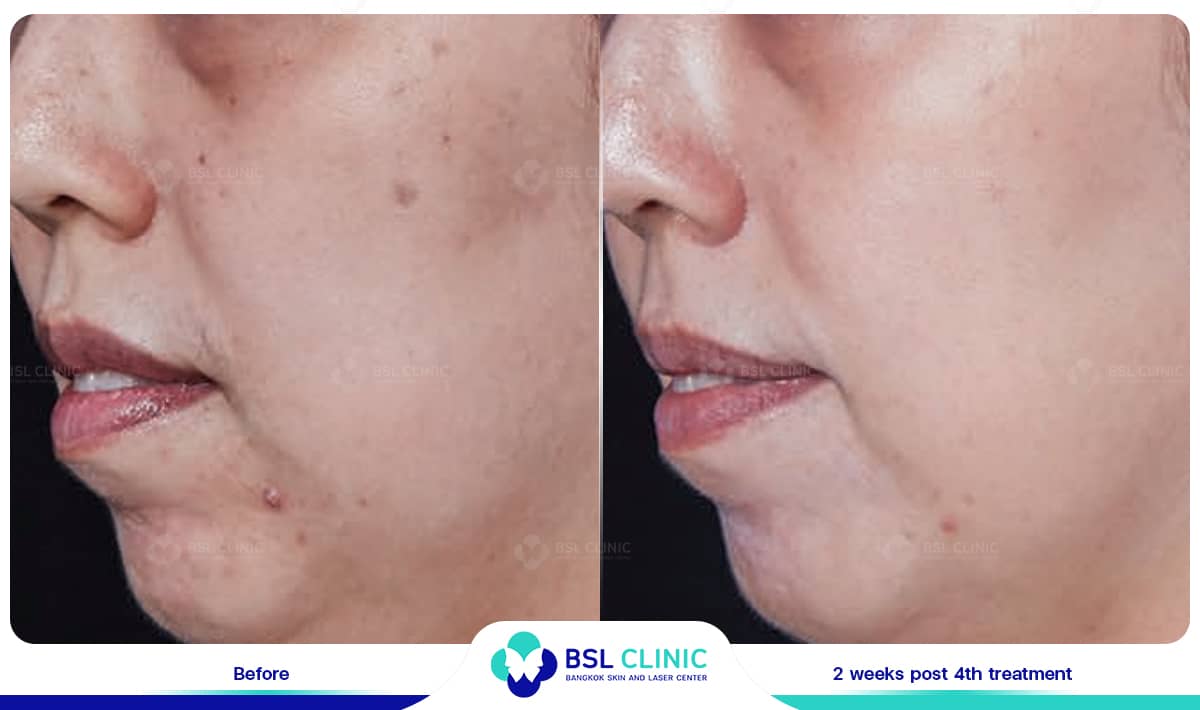
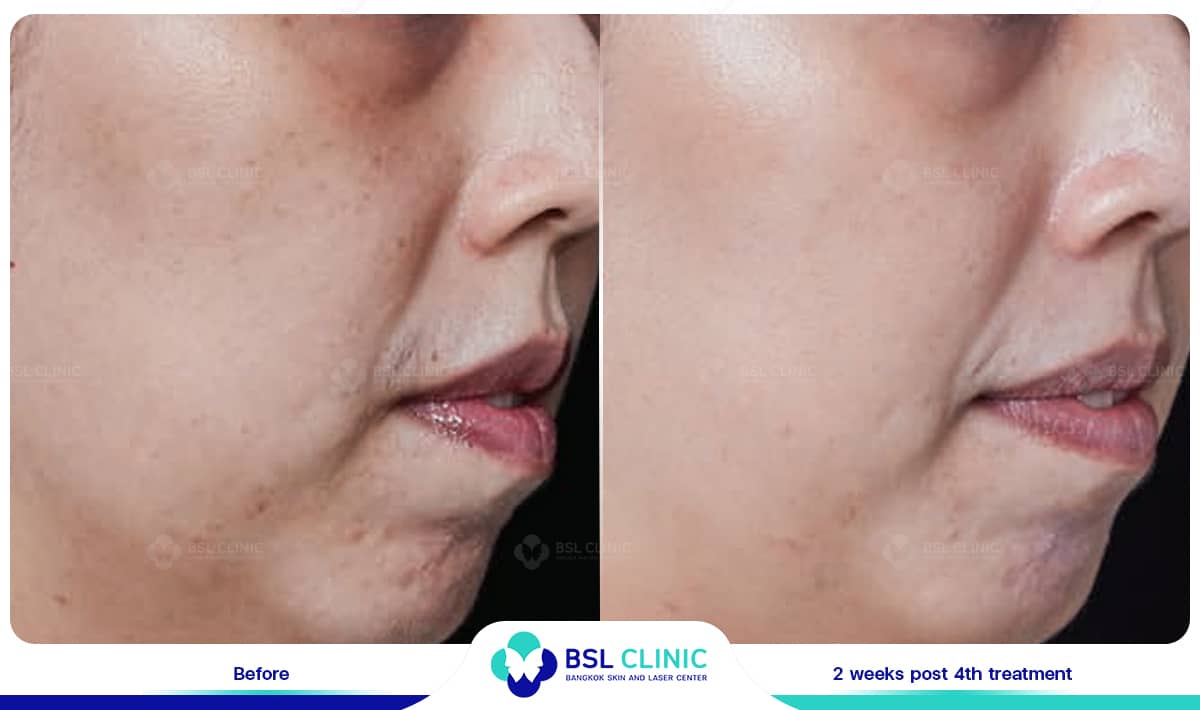
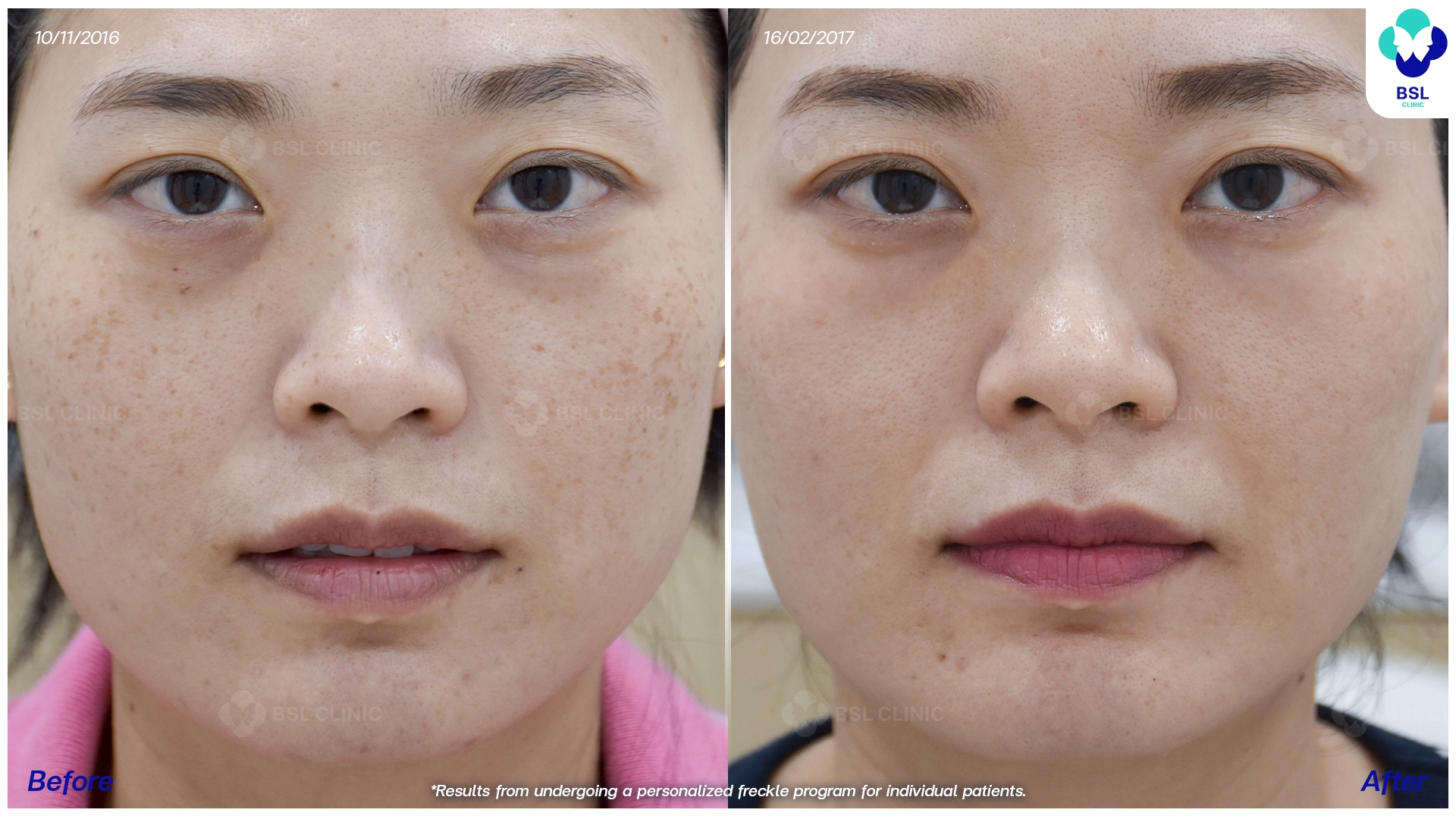
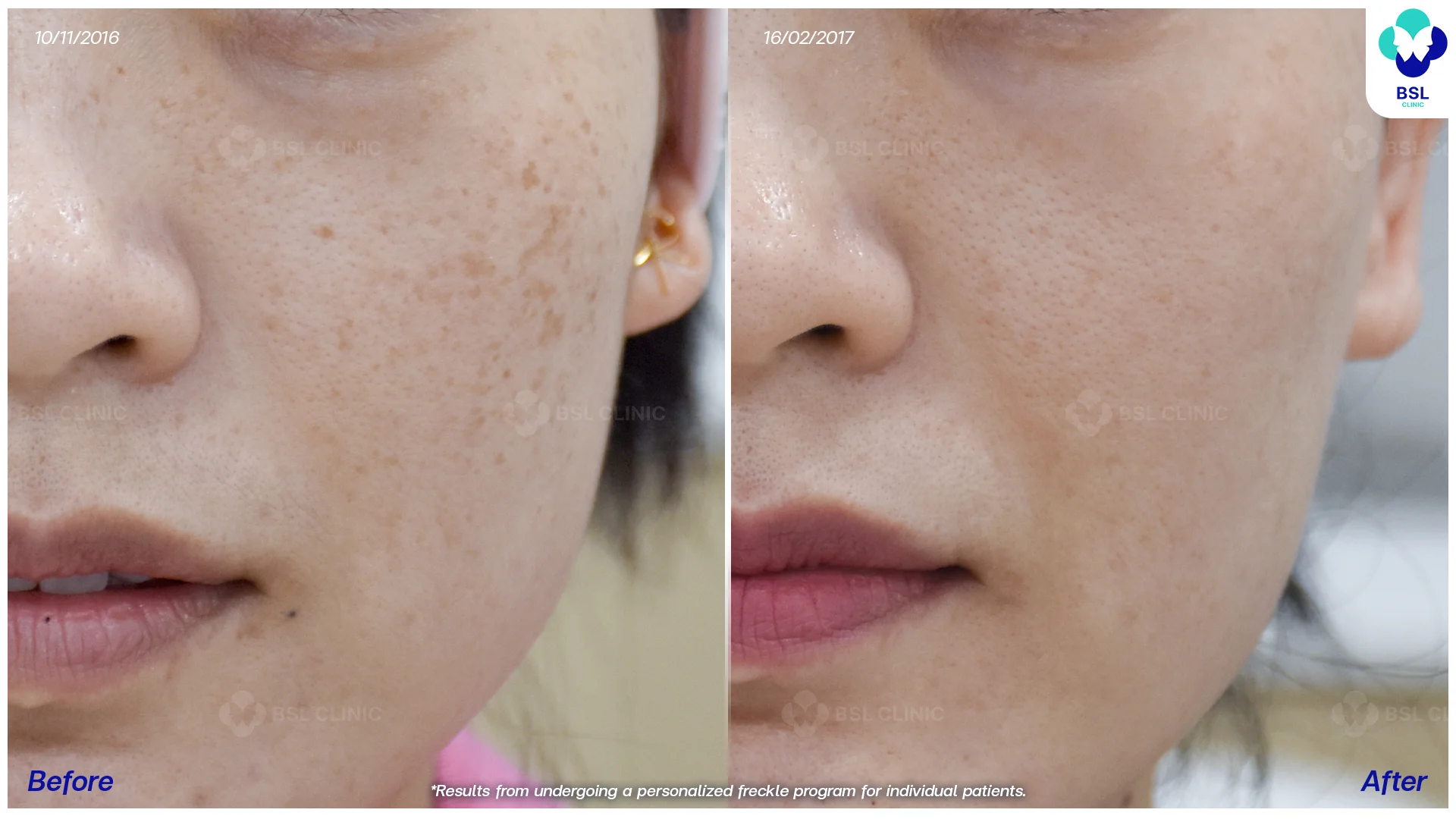
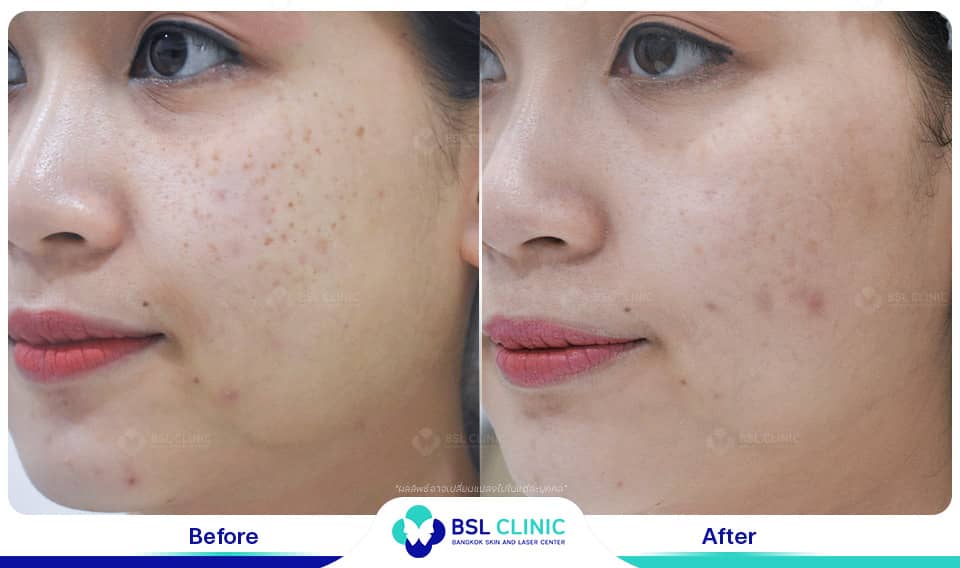
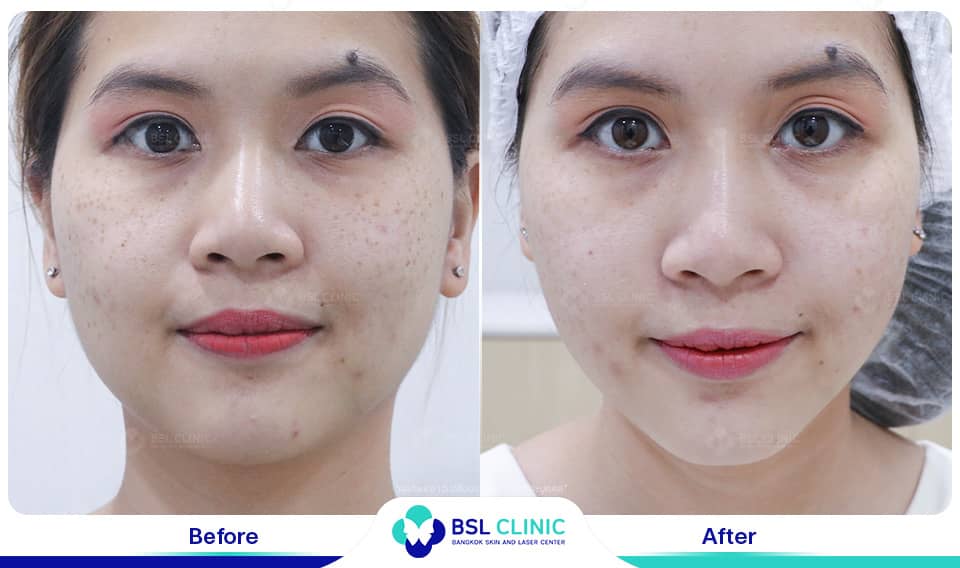
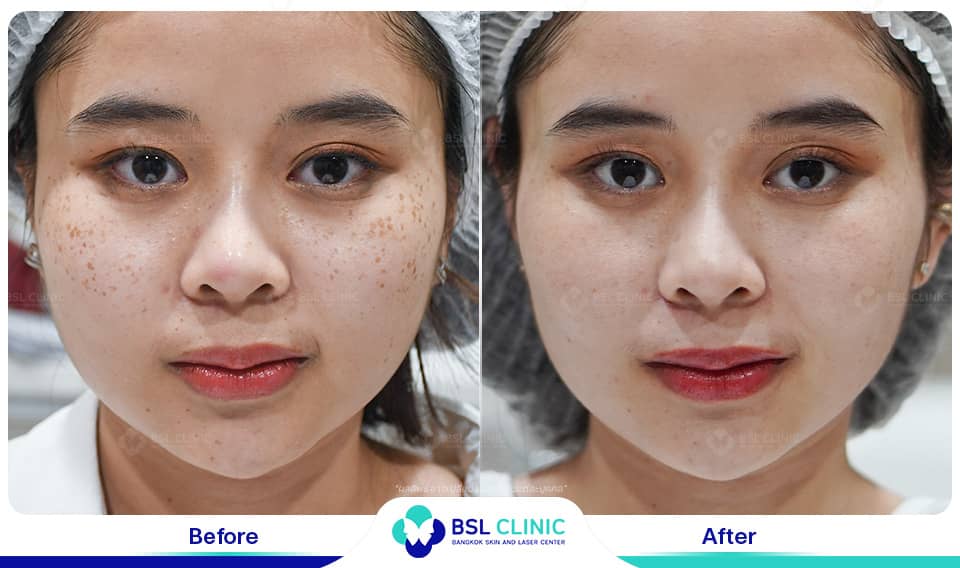
Treatment example images from the development team and medical device users. For advertising purposes only. Results vary by individual.

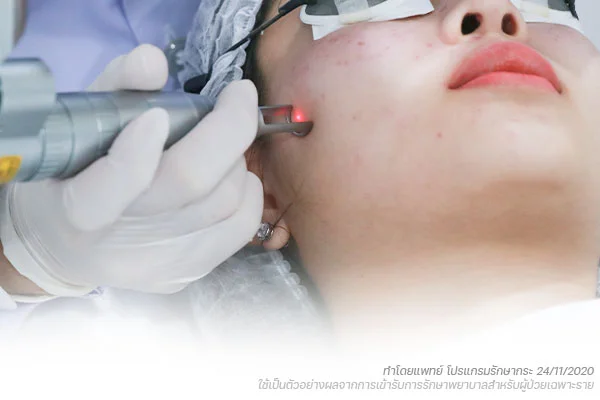
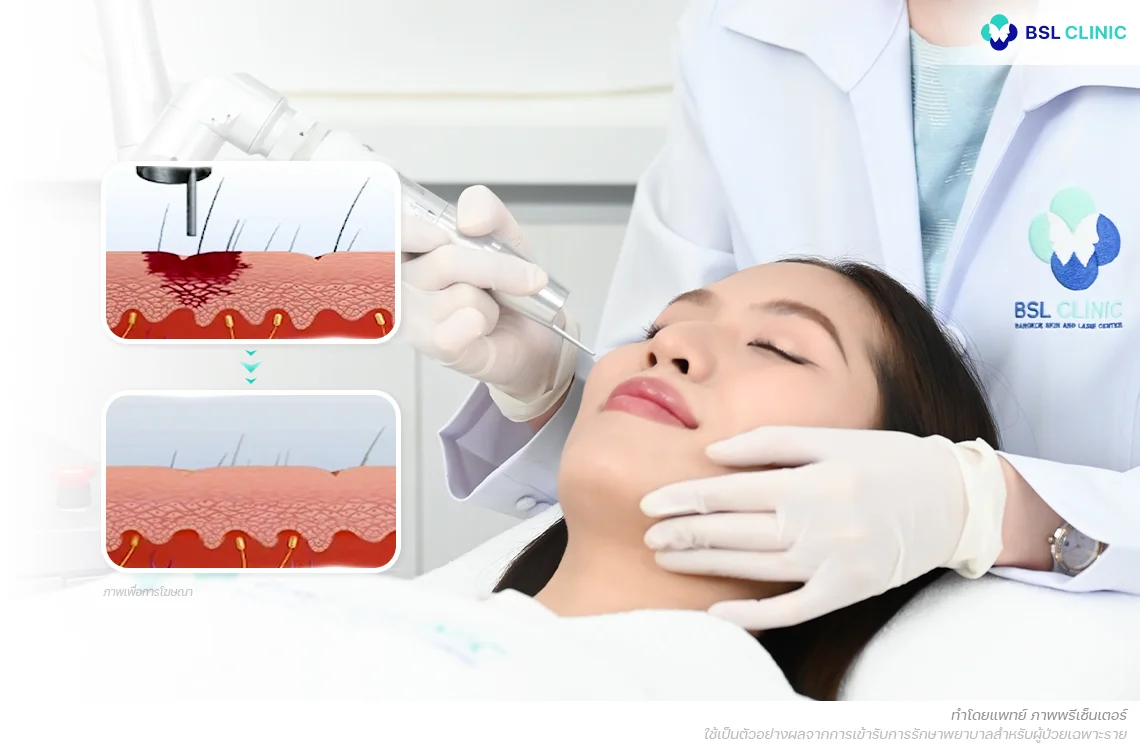
Pigmentation Reduction Laser delivers focused energy that targets melanin in freckles and dark spots. The pigment is broken into smaller particles and gradually cleared by the body, helping freckles, melasma, and dark spots appear lighter while reducing the risk of post-inflammatory darkening.
At BSL Clinic, we use Q-switched laser with PTP mode (Photoacoustic Twin Pulse), which delivers controlled pulses to enhance pigment targeting while limiting excess heat. Over time, pigmentation appears lighter and skin tone looks clearer.

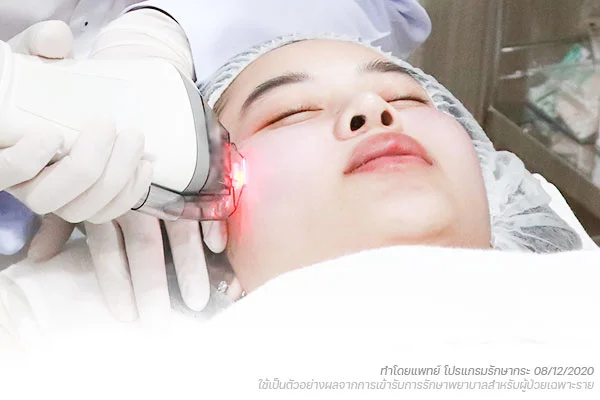
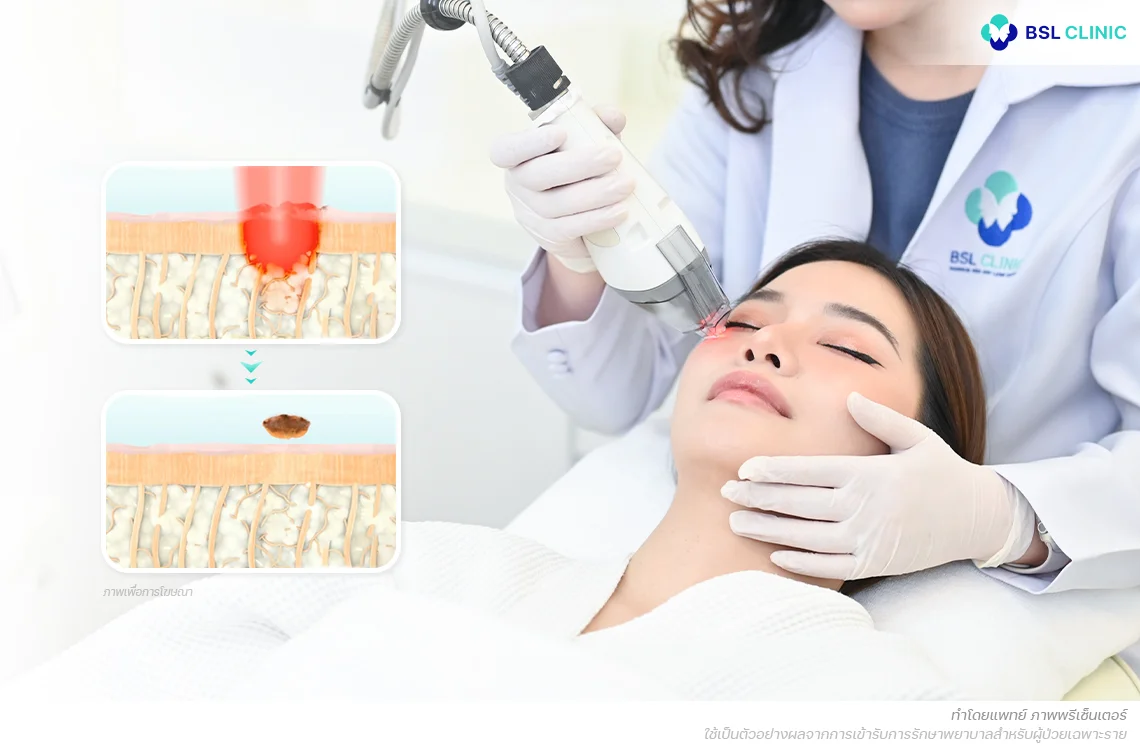
Pigmentation Removal Laser targets excess melanin in the upper skin layers, supporting gradual fading of dark spots and a more even-looking tone while helping reduce the risk of post-inflammatory hyperpigmentation (PIH).
At BSL Clinic, we use the Fraxel Dual Laser Program to address superficial pigment concerns. Energy settings are carefully adjusted by the physician based on skin type and pigment intensity to support controlled and precise treatment.

Considering treatment for freckles or dark spots? Read these patient reviews to help guide your decision.
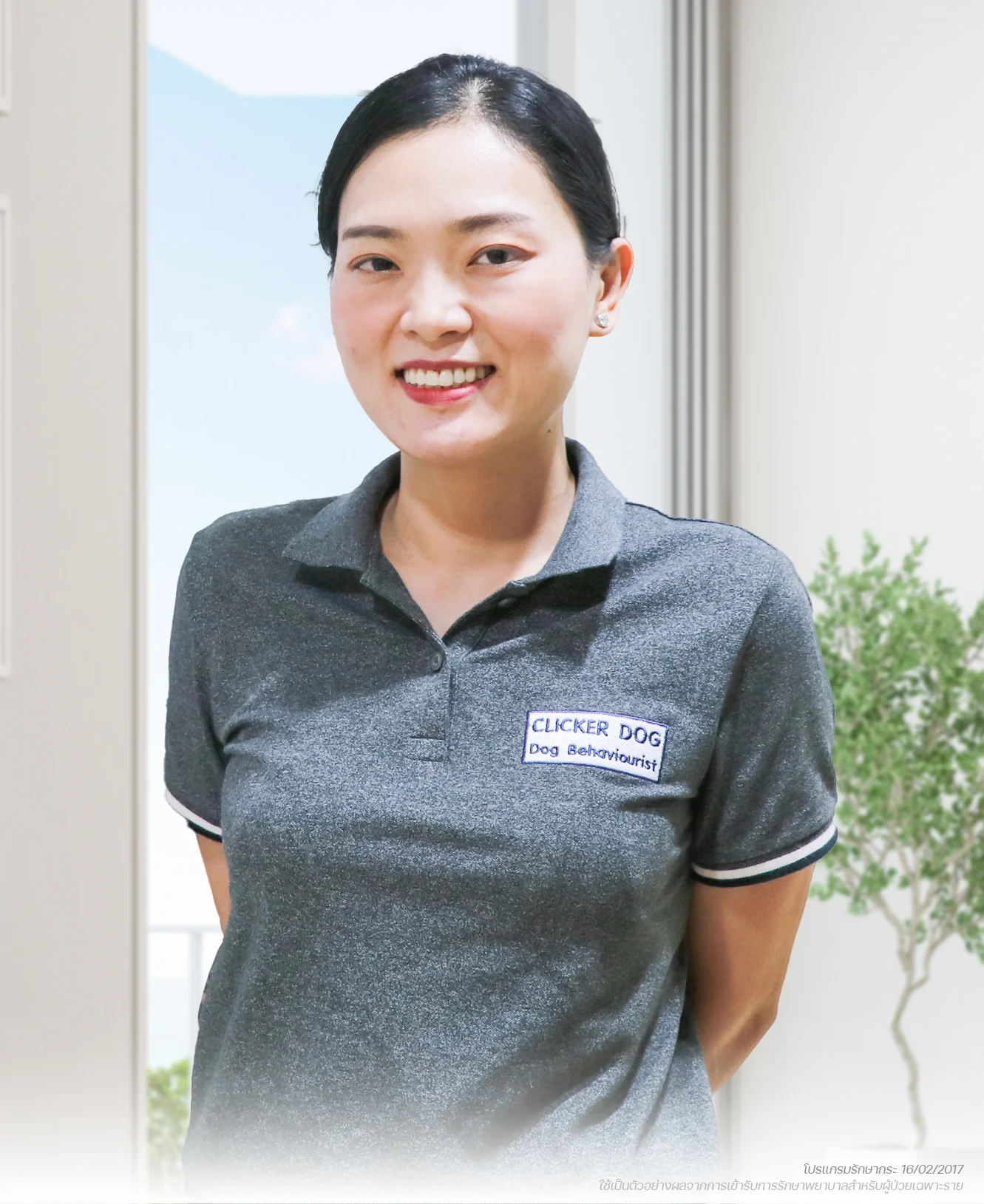
Ms. Rungjit, a professional dog behaviorist, spends much of her time training outdoors under direct sunlight. Over time, freckles and dark spots became darker and more noticeable, requiring heavier makeup to conceal and making her look older than she felt.
Seeking a more lasting solution, she chose treatment at BSL Clinic, where a combination of pigment-reducing and pigment-targeting laser programs was tailored to address her concerns.


“If you want greater confidence without having to cover up freckles every day, I recommend the BSL Clinic.”
Ms. Rungjit, Freckle Treatment Patient at BSL Clinic
"ผลลัพธ์ขึ้นอยู่กับแต่ละบุคคล"
Each type of freckle has distinct characteristics, and treatment approaches vary accordingly.

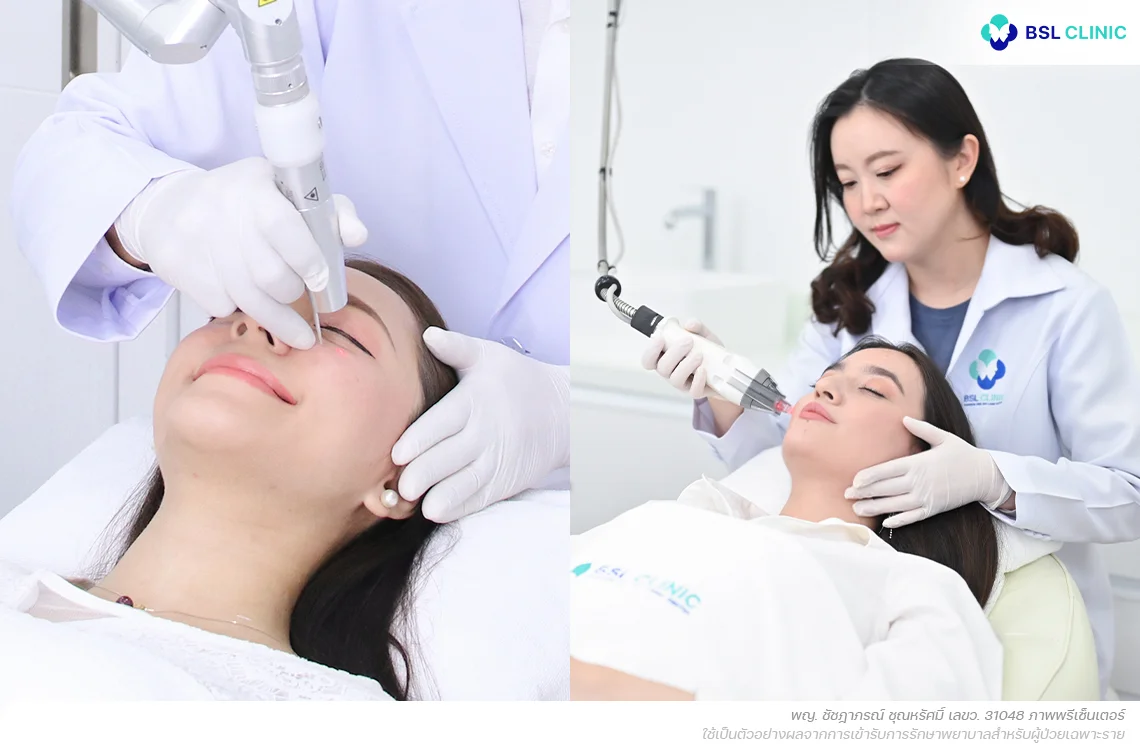
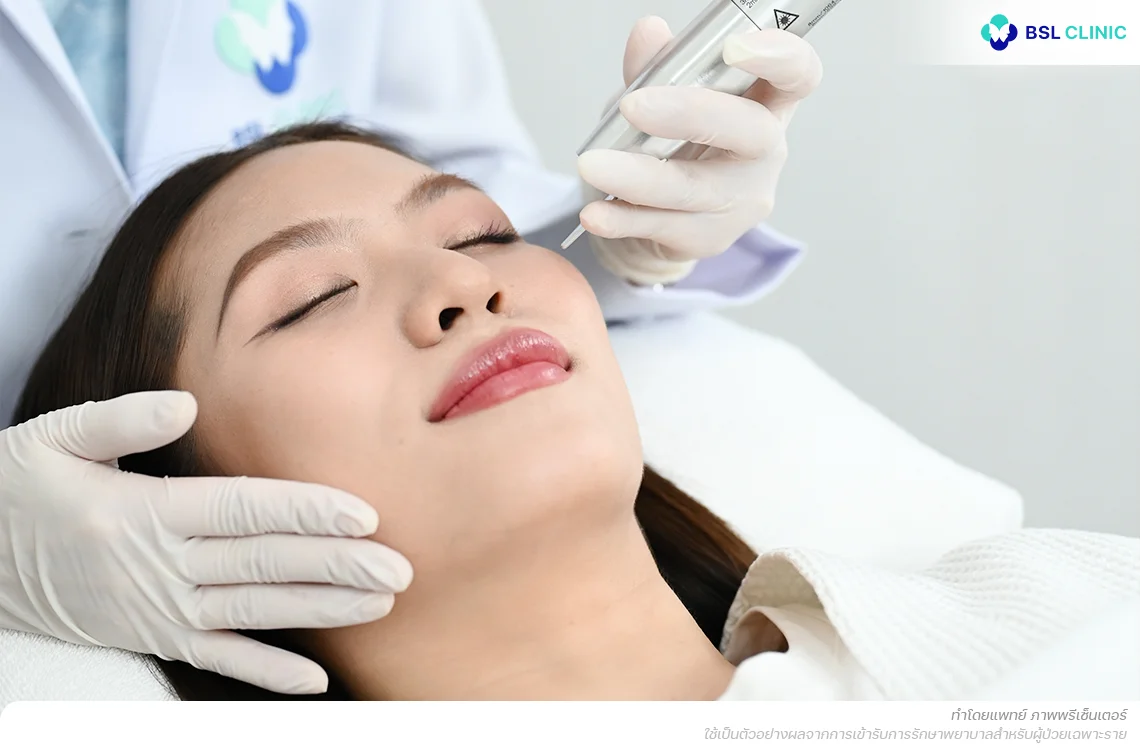
Freckles are treated with a Pigmentation Reduction Laser that targets melanin in the outer skin layer (epidermis). The laser breaks pigment into smaller particles, which are gradually cleared by the body, allowing freckles to fade over time.
Sessions are typically performed once a month, with at least 3 treatments recommended. To help reduce the risk of post-treatment darkening in some skin types, Pigmentation Removal Laser may be combined. The physician will assess your skin and pigment type to determine the most appropriate approach.

Hori’s Nevus can be treated using 2 main approaches: Gradual Pigment Reduction and Controlled Surface Renewal, depending on the depth of pigmentation and individual lifestyle considerations.
Gradual Pigment Reduction
This approach is preferred for its easy aftercare. A Pigmentation Reduction Laser is used to gradually lighten deep dermal pigmentation, typically in sessions every 2 weeks, with around 10 or more treatments recommended.
Mild pinkness may occur for 2–3 hours after treatment. Cooling is applied for comfort, and makeup can usually be worn the same day, allowing you to resume normal activities.

This method involves controlled surface flaking and can be performed in two approaches.
Combination Approach (Two Lasers)
Pigmentation Reduction Laser is first used to break down deep dermal pigment. Small scabs typically form within 7–10 days, and temporary darkening may occur after about 2 weeks as part of the skin’s natural pigment response.
To help reduce the risk of post-inflammatory hyperpigmentation (PIH), Pigmentation Removal Laser may be performed about one month later to assist in clearing residual pigment. Treatment plans are individually assessed by the physician.
Single-Laser Approach
When Pigmentation Reduction Laser is used alone, temporary darkening is more likely and may take 3–6 months or longer to gradually fade. Recovery can be slower compared to the combination approach.

Laser treatment for sun spots using a controlled surface renewal approach can be performed in two ways: a combination approach or a single-laser approach.
Combination approach:
Pigmentation Reduction Laser breaks down the pigment, while Pigmentation Removal Laser supports the clearance of residual pigment. This approach helps reduce the risk of temporary darkening and supports more consistent fading.
Single-laser approach:
Only Pigmentation Reduction Laser is used. Temporary darkening may occur, and fading can take longer — typically around 3–6 months.
Freckles are superficial pigment in the epidermis and often darken with sun exposure.
Sun spots (solar lentigines) are UV-induced pigmentation that develops over time.
Hori’s nevus is deeper dermal pigmentation that appears as grayish-brown patches, usually on both cheeks.
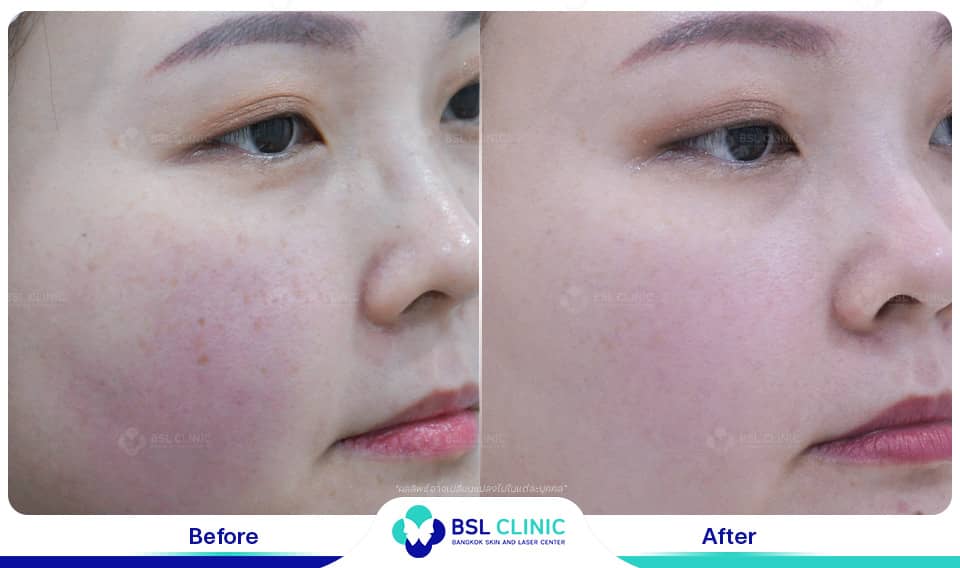
Laser treatment can effectively reduce superficial pigmentation such as freckles and sun spots by breaking down excess melanin in the upper skin layers.
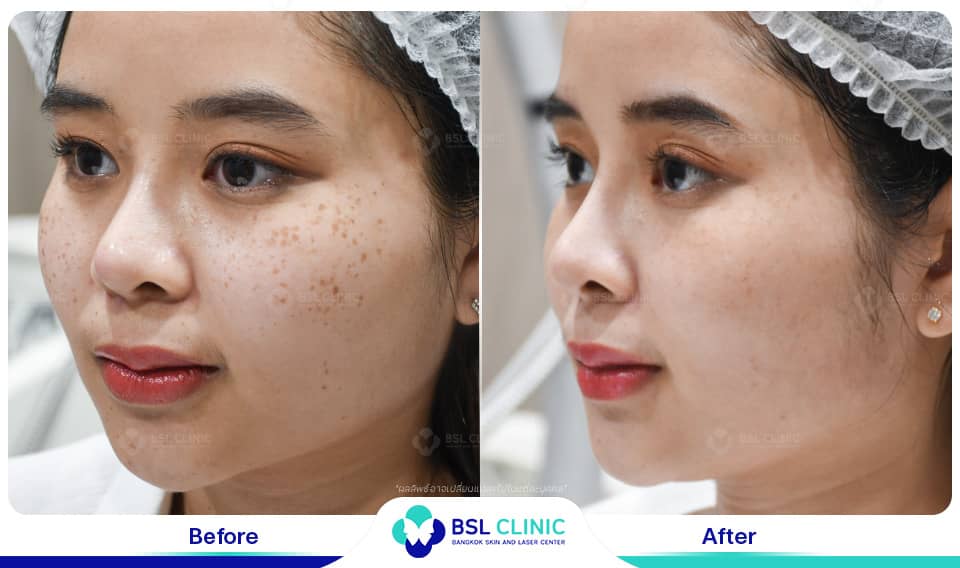
Results vary depending on skin type and sun protection habits.
Yes. Hori’s nevus can be treated with laser, but because the pigment is located deeper in the dermis, multiple sessions are typically required for gradual fading.
Freckles and sun spots may improve within a few sessions.
Hori’s nevus usually requires a series of treatments spaced over time for optimal improvement.
When performed with appropriate settings and proper assessment, laser treatment can be suitable for Asian skin.
Careful technique helps reduce the risk of post-inflammatory hyperpigmentation (PIH).
Downtime depends on the technique used.
Some treatments cause mild redness for a few hours, while others may involve temporary darkening or light flaking.
New pigmentation can develop with continued sun exposure.
Consistent sunscreen use is essential to maintain results.
The best treatment depends on the depth of pigmentation and your lifestyle preferences.
A medical evaluation helps determine the most appropriate approach.
Freckle Treatment Reviews with Before-and-After Photos

Wipanee Akarapusit M.D. Medical License No. 39676 *Individual results may vary depending on individual patient
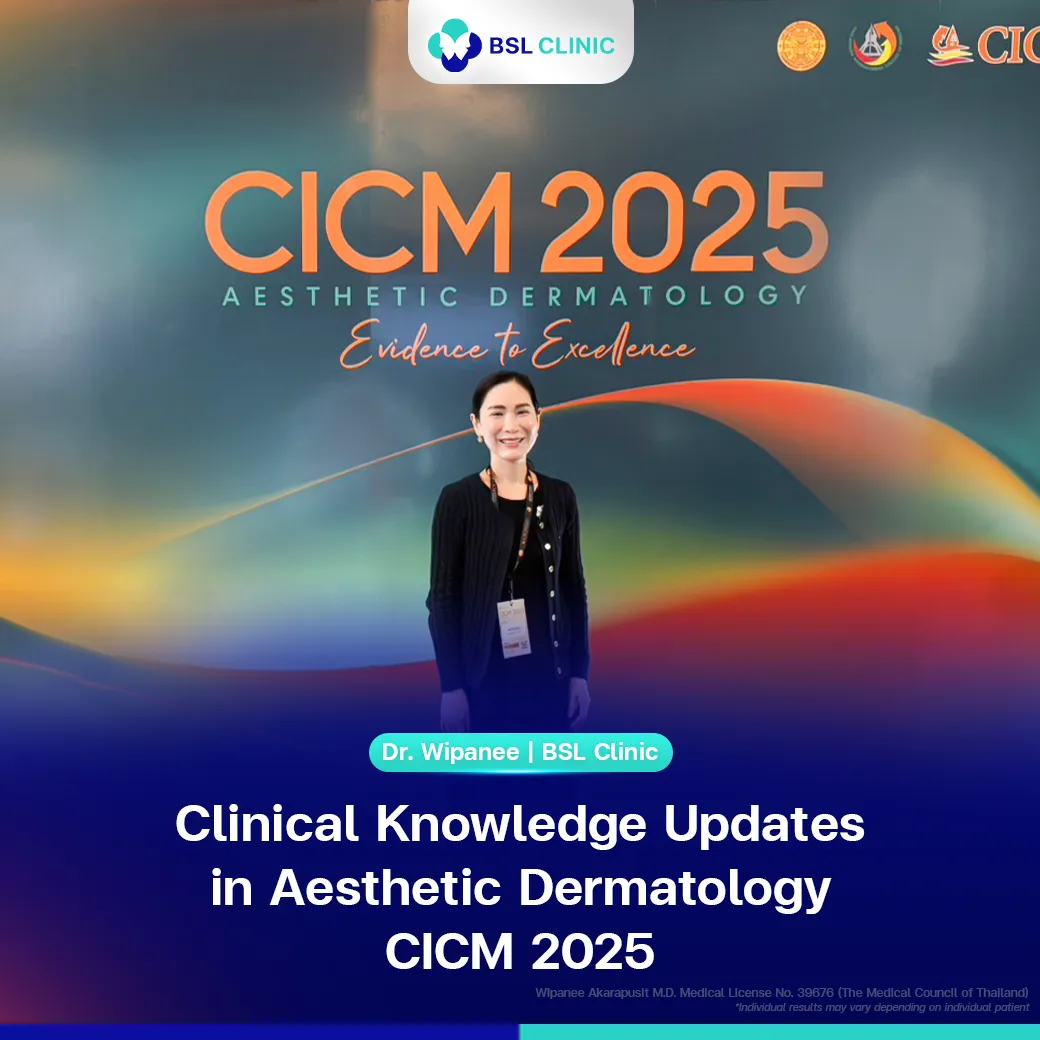
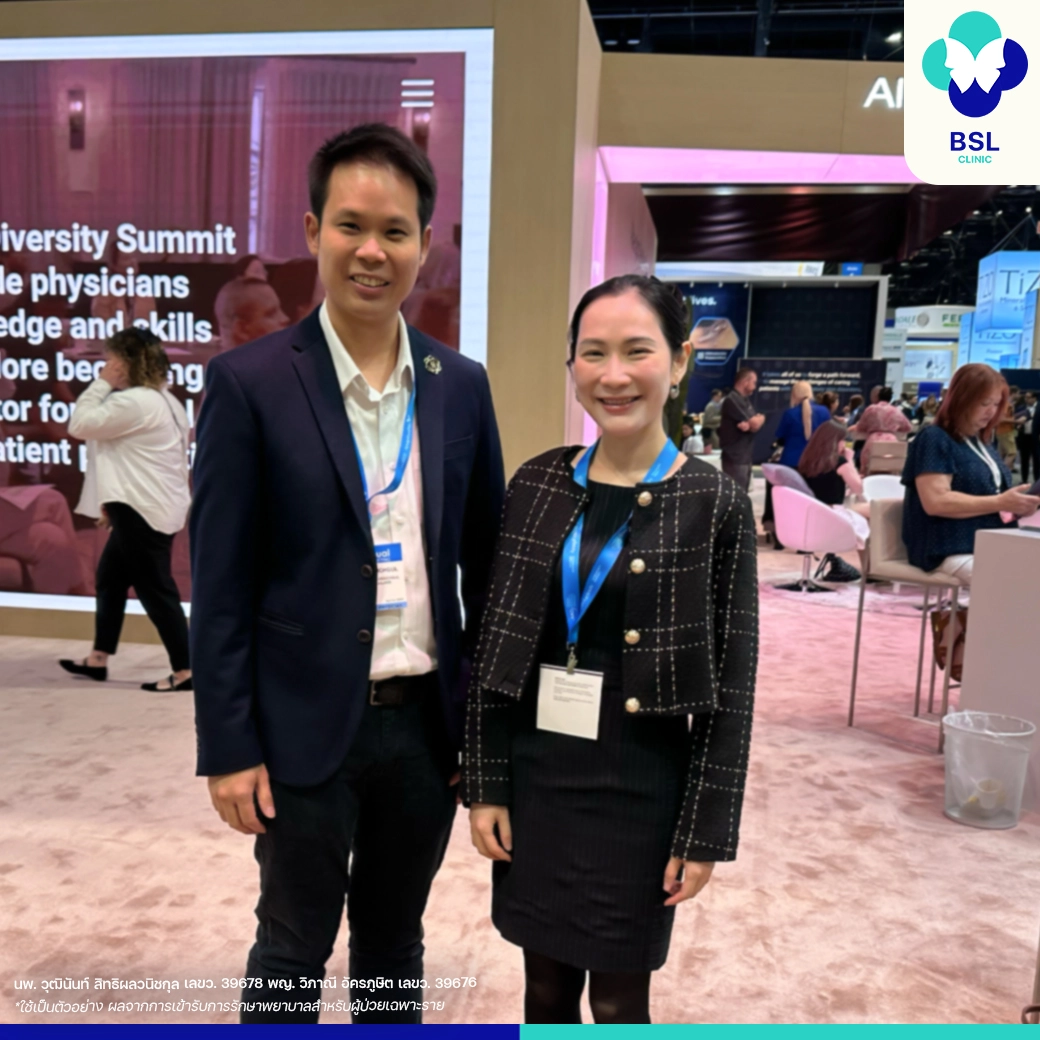
Dr. Wipanee represented BSL Clinic at CICM 2025, gaining updated insights in evidence-based aesthetic dermatology to support patient care.
The conference highlighted current research and clinical approaches in acne, pigmentation, hair and scalp conditions, and aesthetic procedures for the face and body.

Wipanee Akarapusit M.D. Medical License No. 39676 | Wutinan Sithipolvanichgul, M.D. Medical License No. 39678 *Individual results may vary depending on individual patient
How Does Skin Change with Age?
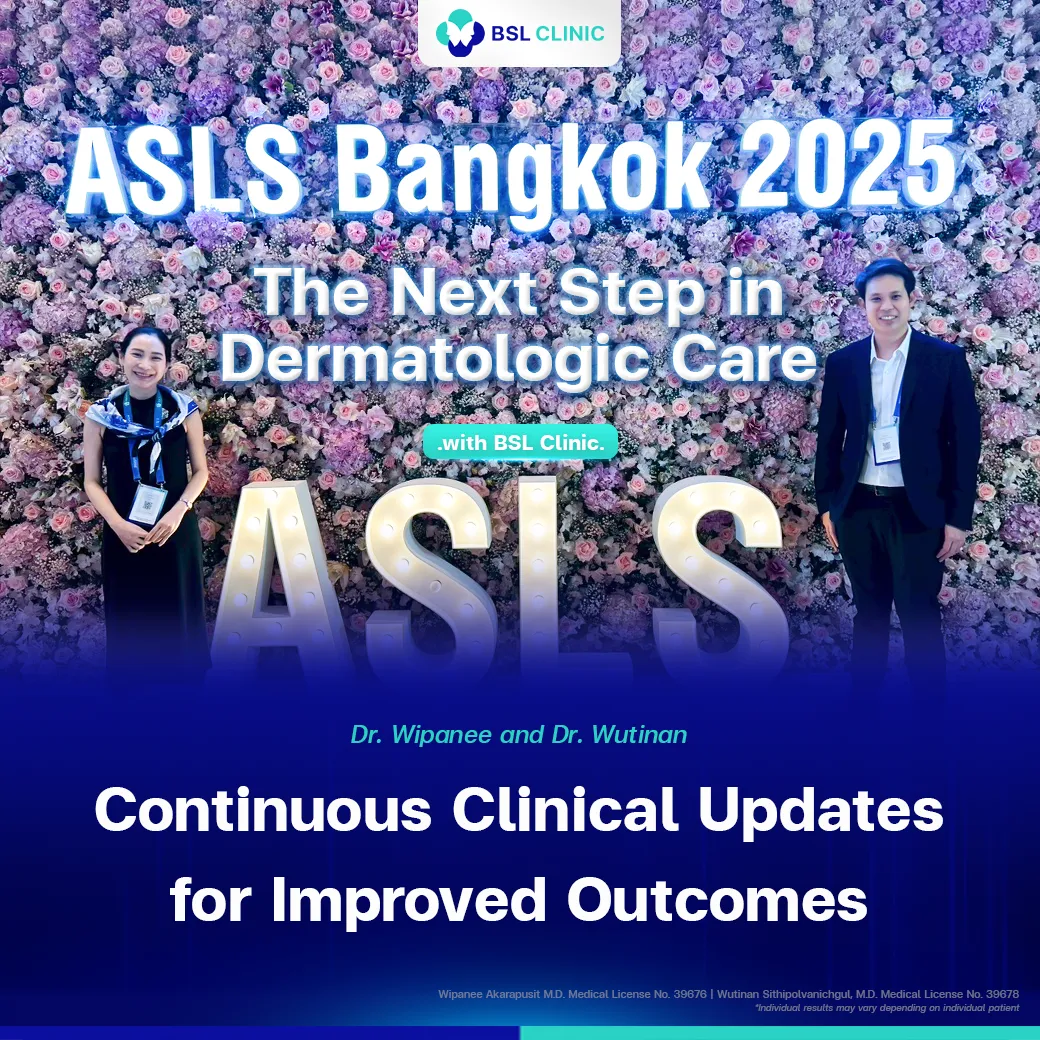
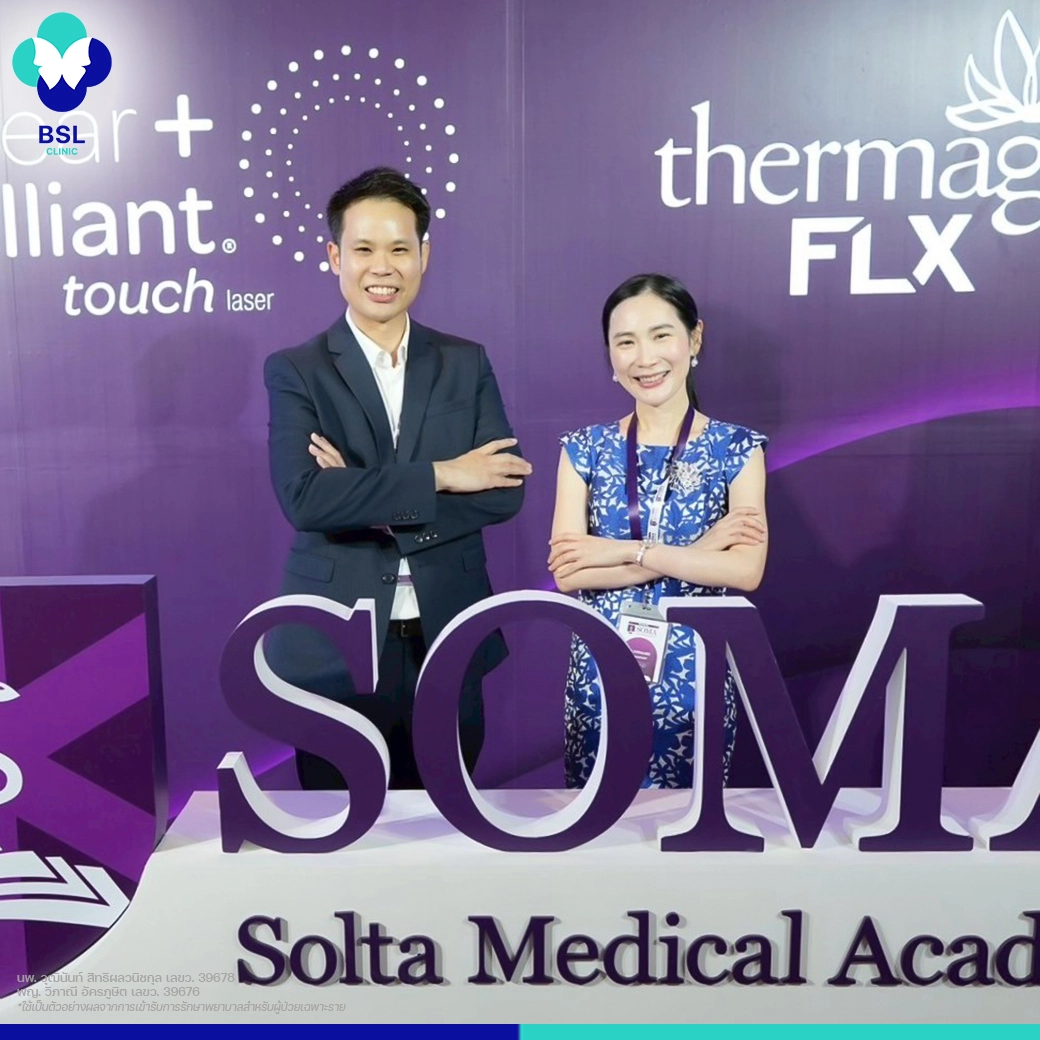
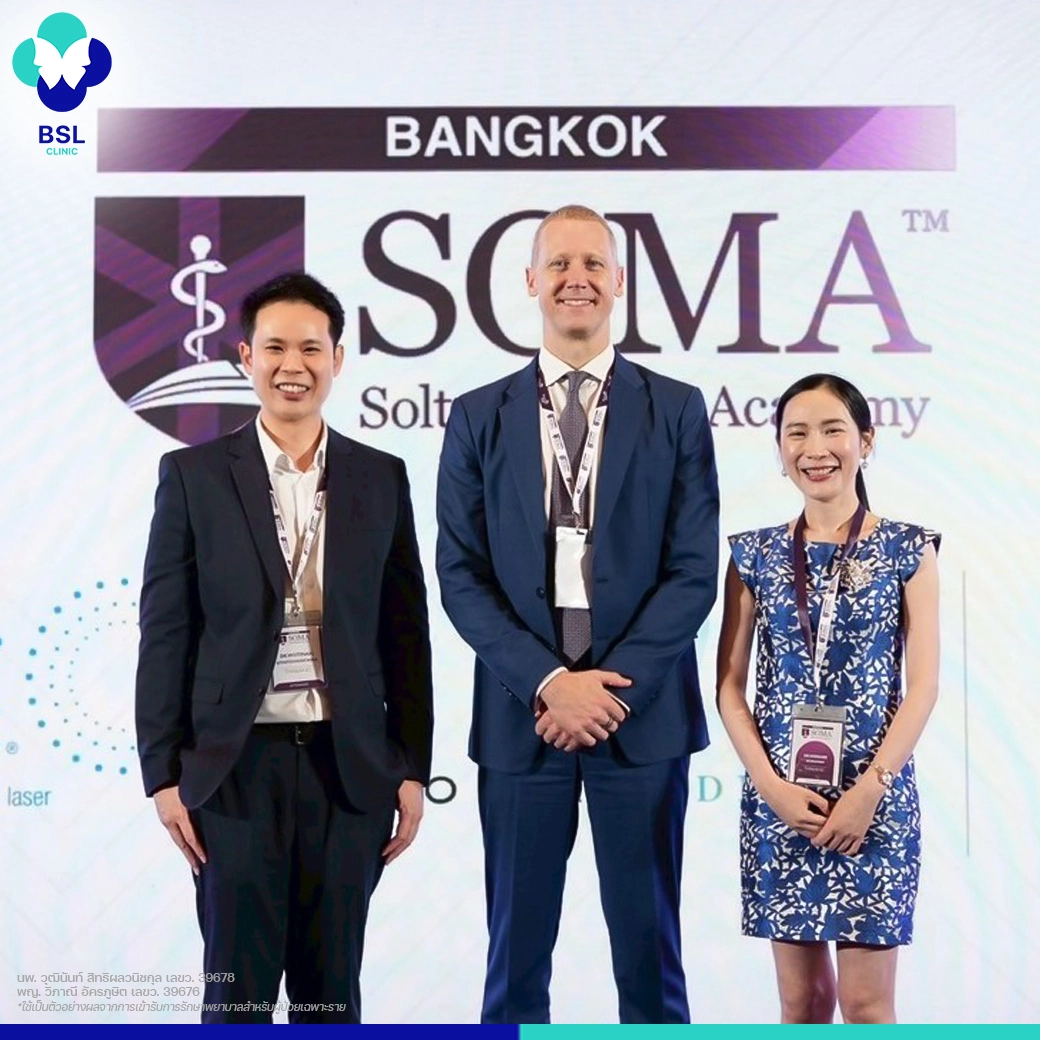
Representing BSL Clinic, Dr. Wipanee and Dr. Wutinan attended ASLS Bangkok 2025 to gain updated insights in aesthetic dermatology. As skin ages, it may become thinner, drier, less even in tone, and slower to recover.
At BSL Clinic, treatment planning focuses on restoring skin strength, hydration, and resilience to support healthier, more youthful-looking skin.


Wipanee Akarapusit M.D. Medical License No. 39676 | Wutinan Sithipolvanichgul, M.D. Medical License No. 39678 *Individual results may vary depending on individual patient
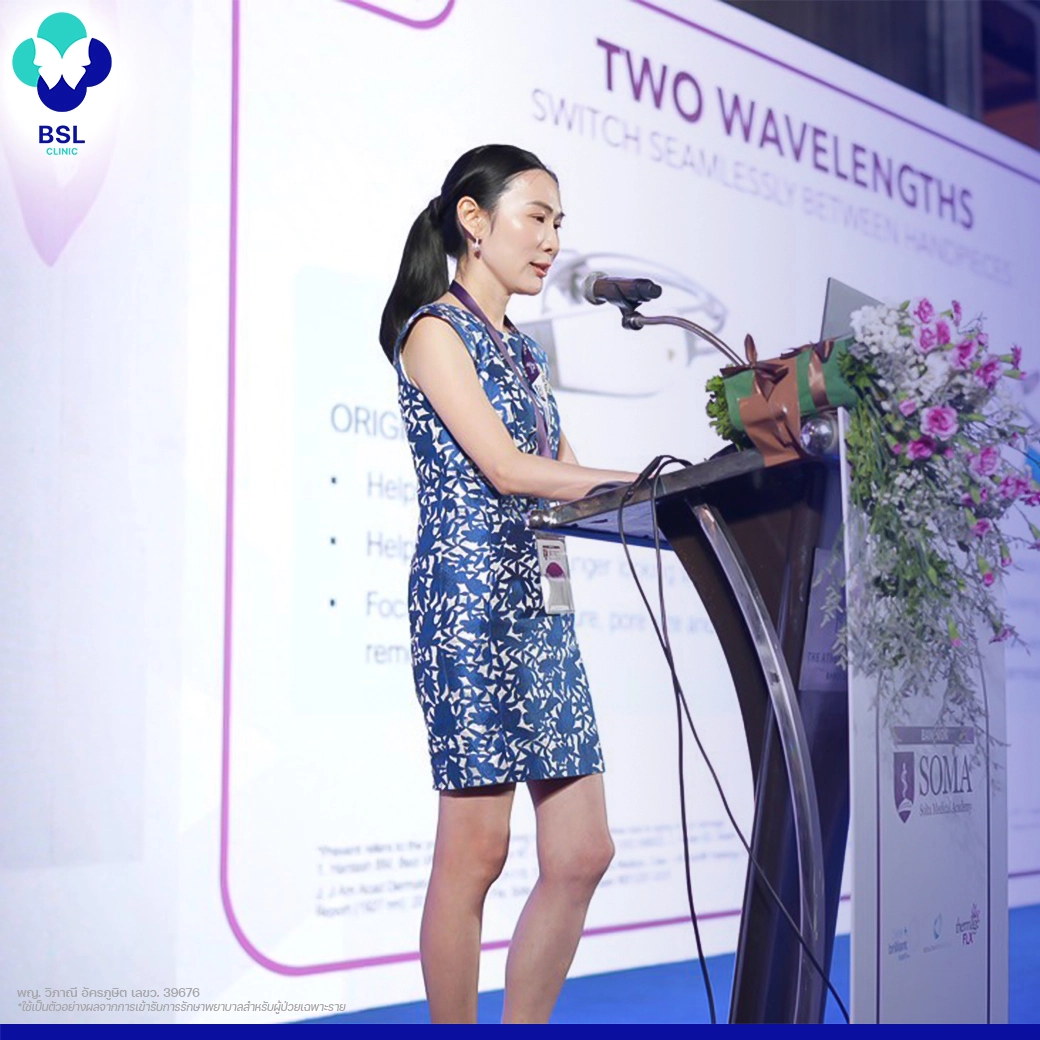
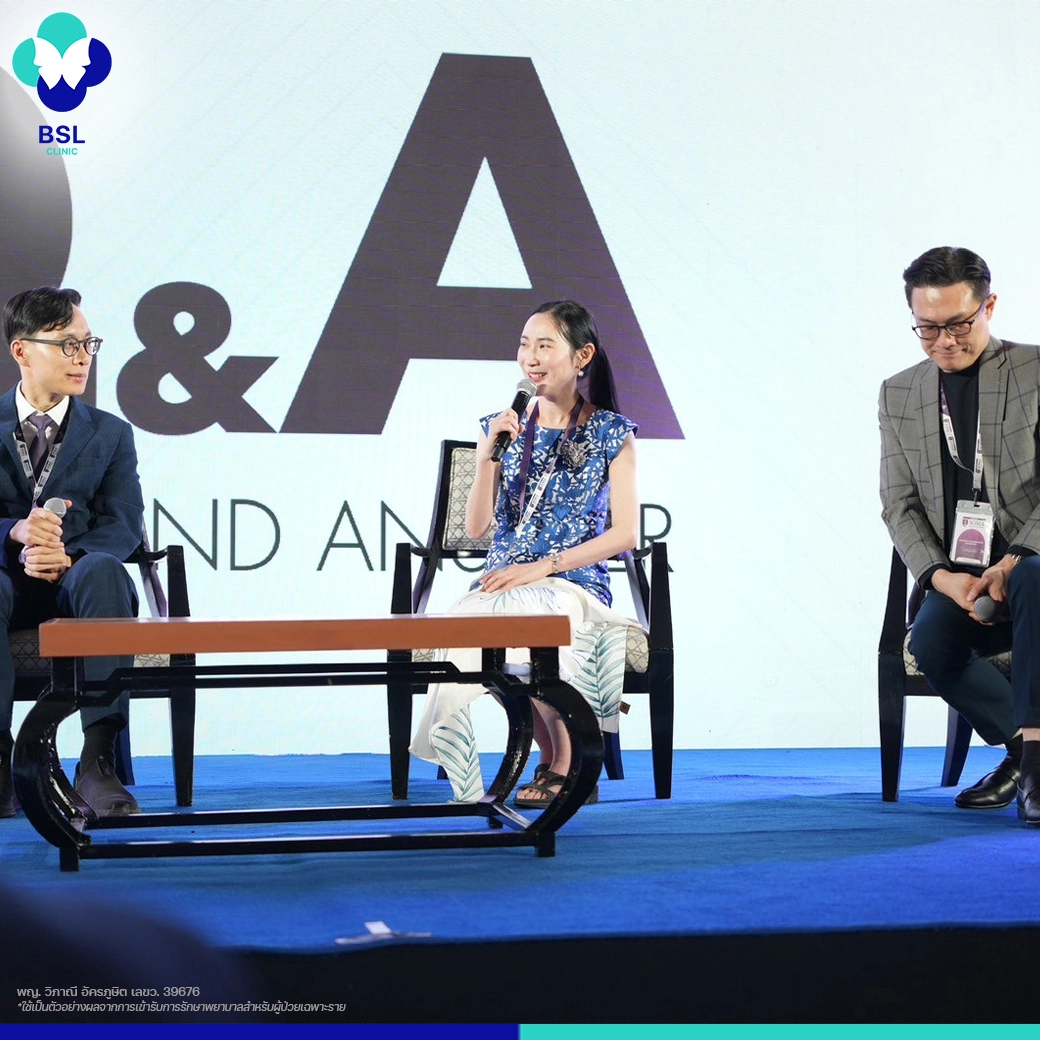
BSL Clinic participated in the academic conference, which brought together dermatology and aesthetic physicians from multiple countries to exchange knowledge and clinical experience.
Dr. Wipanee Akarapusit (Medical License No. 39676) delivered a presentation reflecting real-world patient care and emphasizing individualized treatment planning — a key principle in modern aesthetic medicine.

Wutinan Sithipolvanichgul, M.D. Medical License No. 39678 *Individual results may vary depending on individual patient
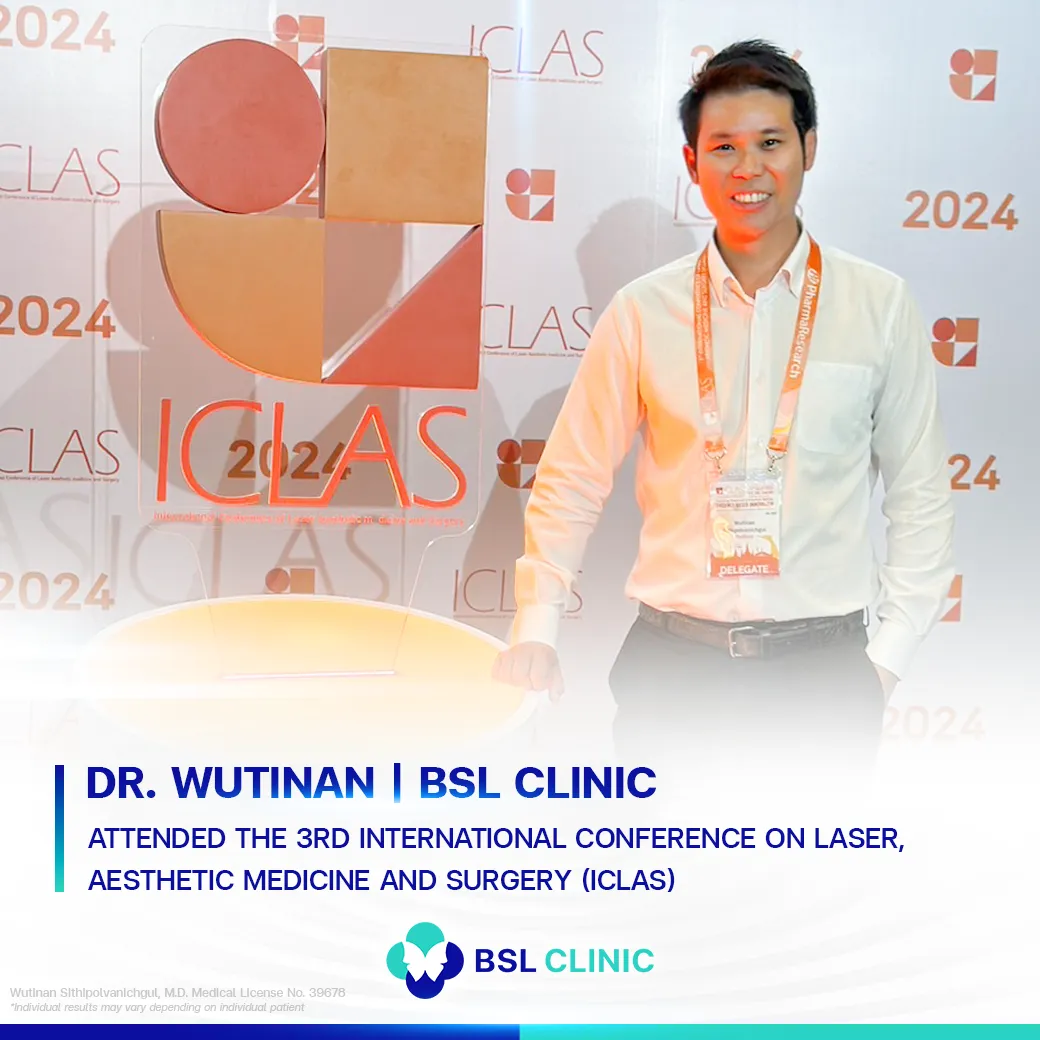
BSL physicians attended the 3rd International Conference on Laser, Aesthetic Medicine and Surgery (ICLAS) to update their knowledge in acne scar management, pigmentation, skin tightening, filler programs, and laser technologies.
Insights from the conference support continued refinement of treatment planning tailored to each individual.

Wutinan Sithipolvanichgul, M.D. Medical License No. 39678 | Wipanee Akarapusit M.D. Medical License No. 39676 *Individual results may vary depending on individual patient
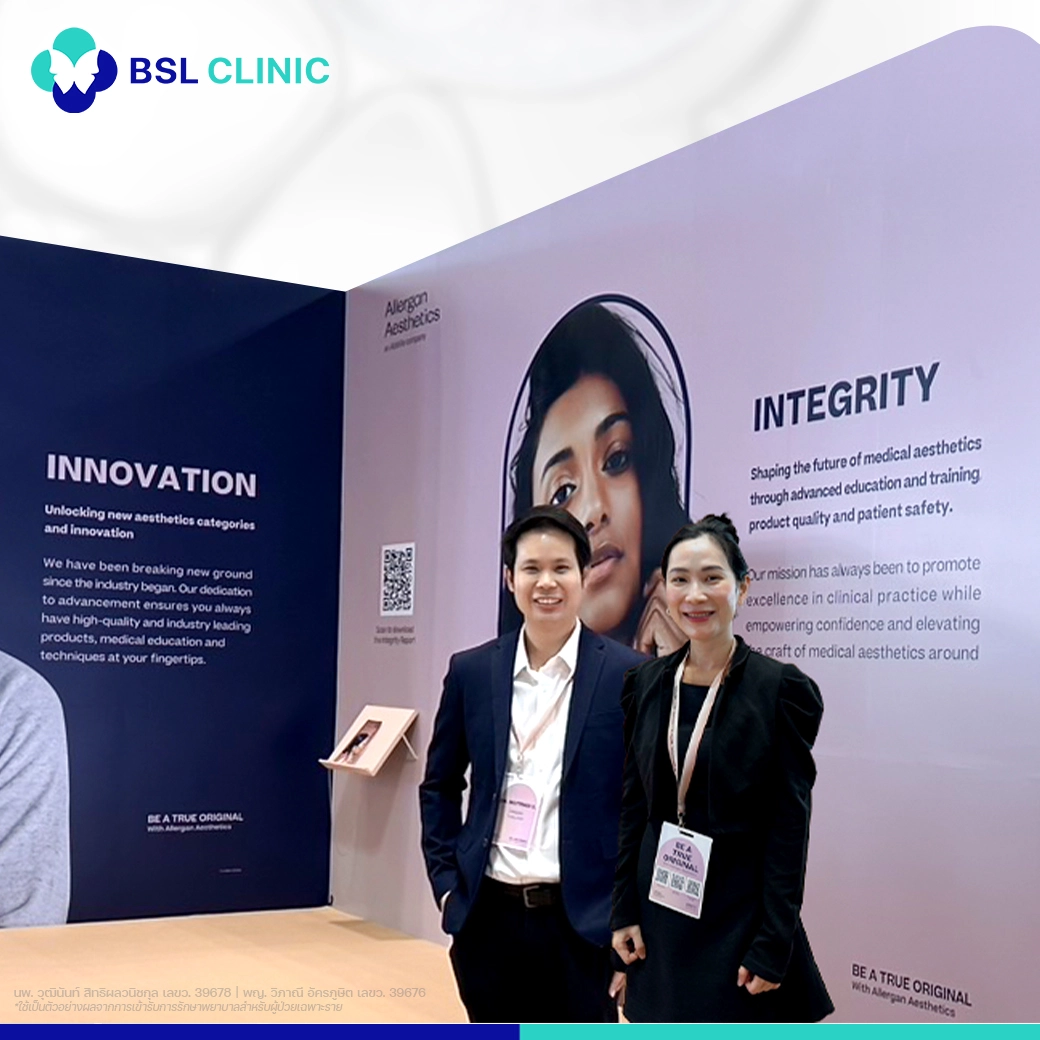
BSL Clinic attended the Allergan Medical Institute 10th Anniversary at ICONSIAM, Thailand, where physicians exchanged perspectives on filler programs and regional aesthetic trends across Asia-Pacific.
The event provided opportunities to share clinical experience and refine approaches to wrinkle management and facial contour planning tailored to individual needs.

Wutinan Sithipolvanichgul, M.D. Medical License No. 39678 *Individual results may vary depending on individual patient
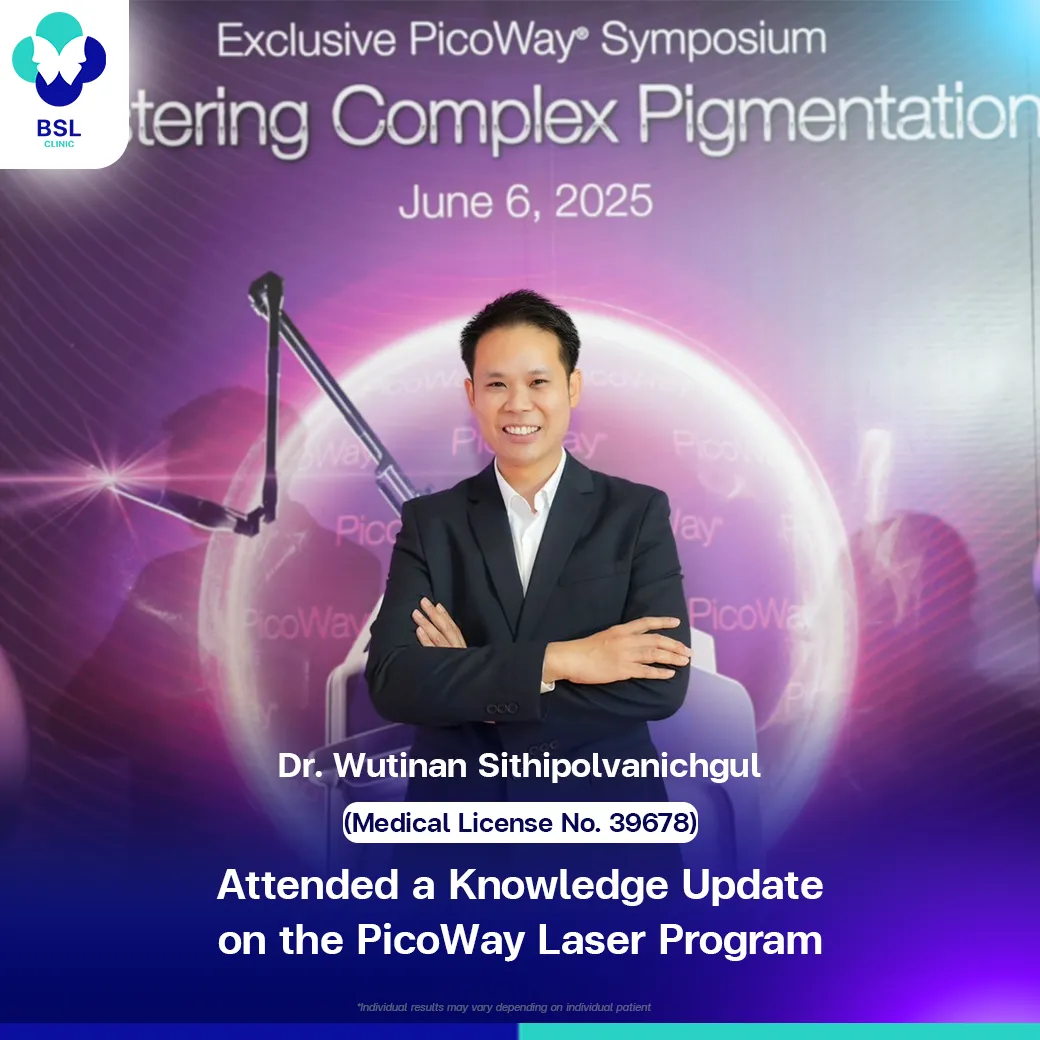
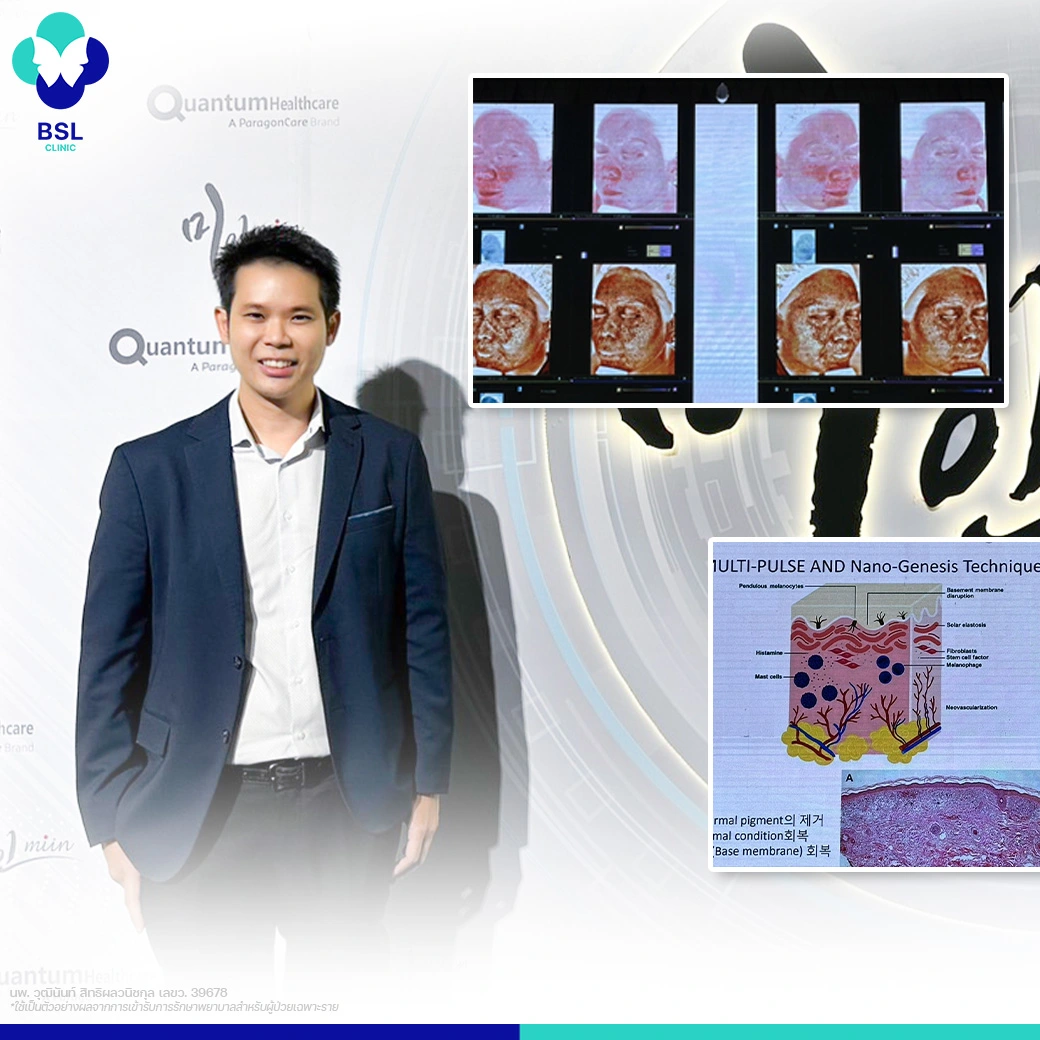
Dr. Wutinan participated in updates on the PicoWay Program and approaches to managing pigmentation concerns such as melasma, freckles, and uneven skin tone.
The symposium also provided opportunities to exchange clinical perspectives with physicians from multiple countries, supporting treatment planning tailored to individual needs.

Wutinan Sithipolvanichgul, M.D. Medical License No. 39678 *Individual results may vary depending on individual patient
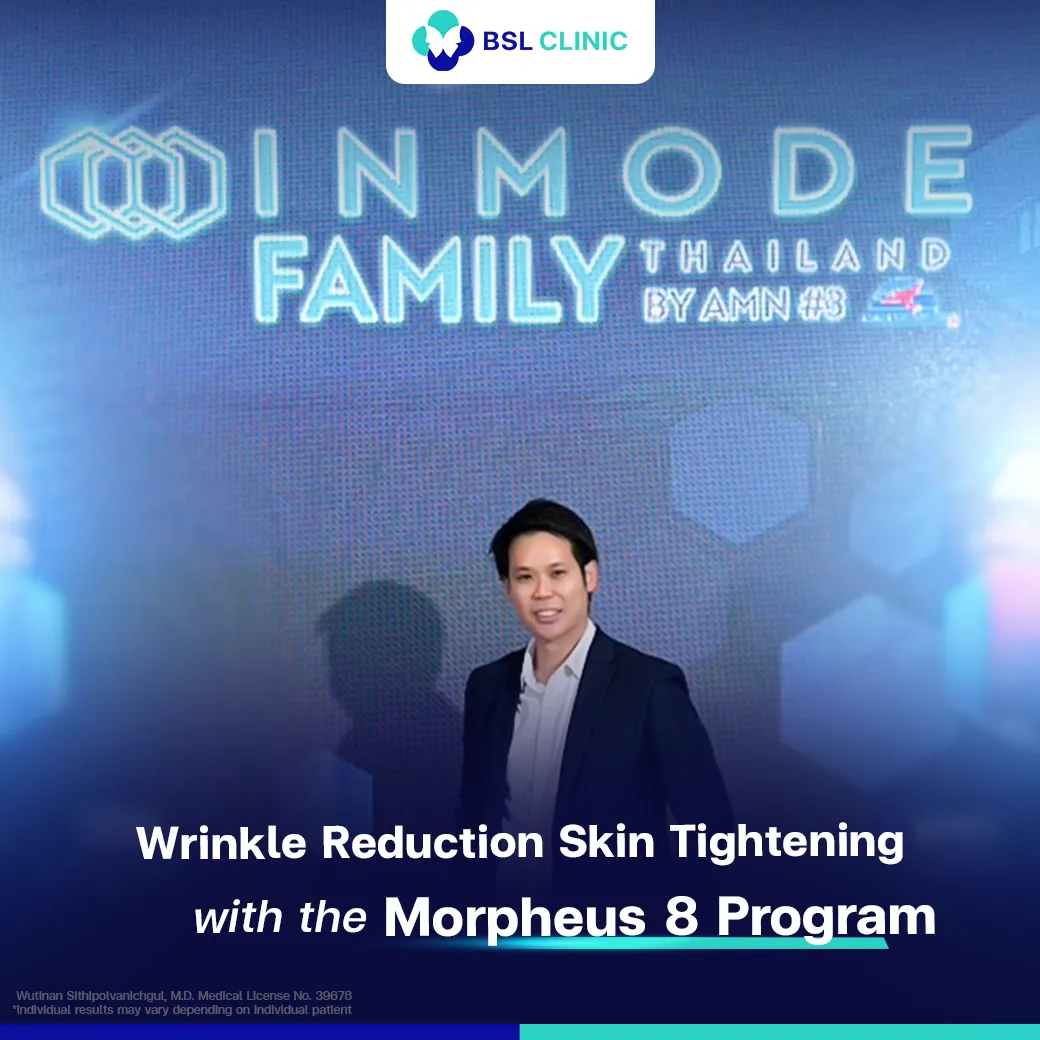
Dr. Wutinan Sithipolvanichgul attended InMode Family Thailand by AMN – 3rd Edition, which focused on clinical applications of the Morpheus8 Program, a radiofrequency-based skin treatment option.
At BSL Clinic, the Morpheus8 Program is incorporated into individualized treatment planning for facial contour refinement and wrinkle care.

Wutinan Sithipolvanichgul, M.D. Medical License No. 39678 *Individual results may vary depending on individual patient
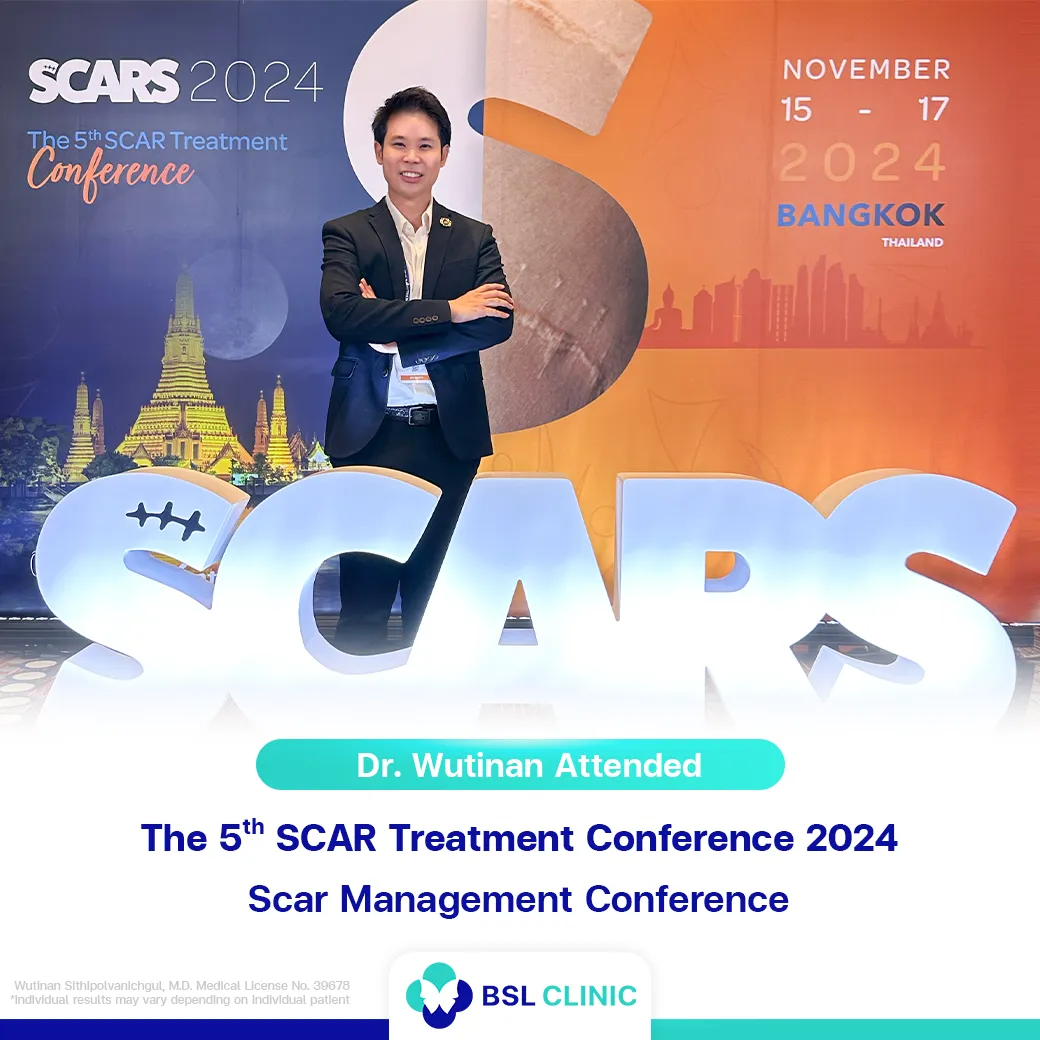
Dr. Wutinan from BSL Clinic attended the 5th SCAR Treatment Conference 2024, an academic meeting dedicated to knowledge exchange in scar management.
The conference featured presentations of laboratory research, updates on current laser technologies, and contemporary treatment approaches, including the integration of multiple modalities to support appropriate patient care.


Wutinan Sithipolvanichgul, M.D. Medical License No. 39678 | Wipanee Akarapusit M.D. Medical License No. 39676 *Individual results may vary depending on individual patient
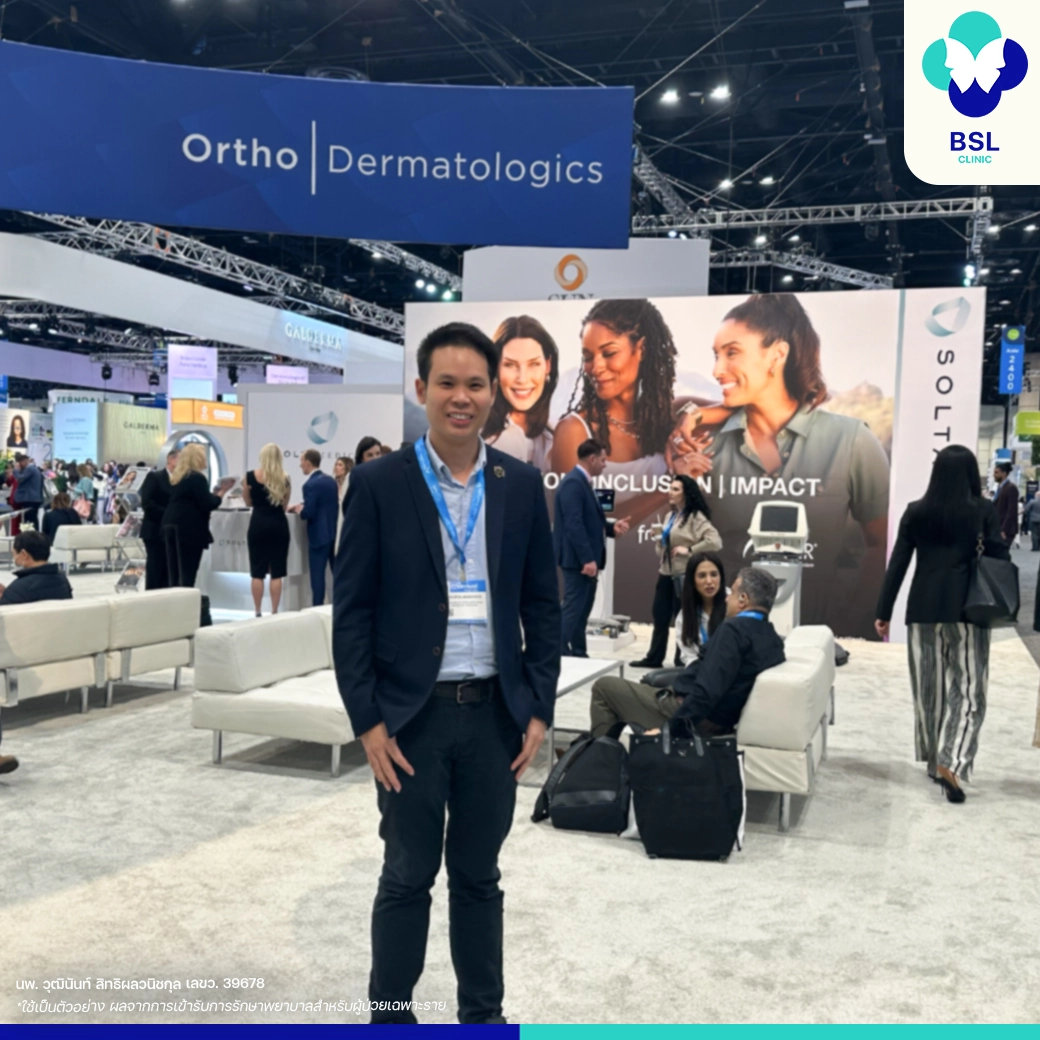
BSL physicians attended the American Academy of Dermatology Annual Meeting 2025 to further develop individualized treatment approaches based on underlying causes.
Laser technologies presented at the meeting are available as part of the treatment options at BSL Clinic.

Wutinan Sithipolvanichgul, M.D. Medical License No. 39678 *Individual results may vary depending on individual patient
At the conference, Laser Toning techniques (PTP mode, 1,064 nm Q-switched Nd:YAG) were presented, referencing a study published in the Journal of Cosmetic and Laser Therapy. The study reported the use of this modality in managing pigmentation associated with melasma¹.
These findings provide academic insight to support clinical planning, with treatment approaches considered according to underlying causes and individual suitability.

Wutinan Sithipolvanichgul, M.D. Medical License No. 39678 | Wipanee Akarapusit M.D. Medical License No. 39676 *Individual results may vary depending on individual patient
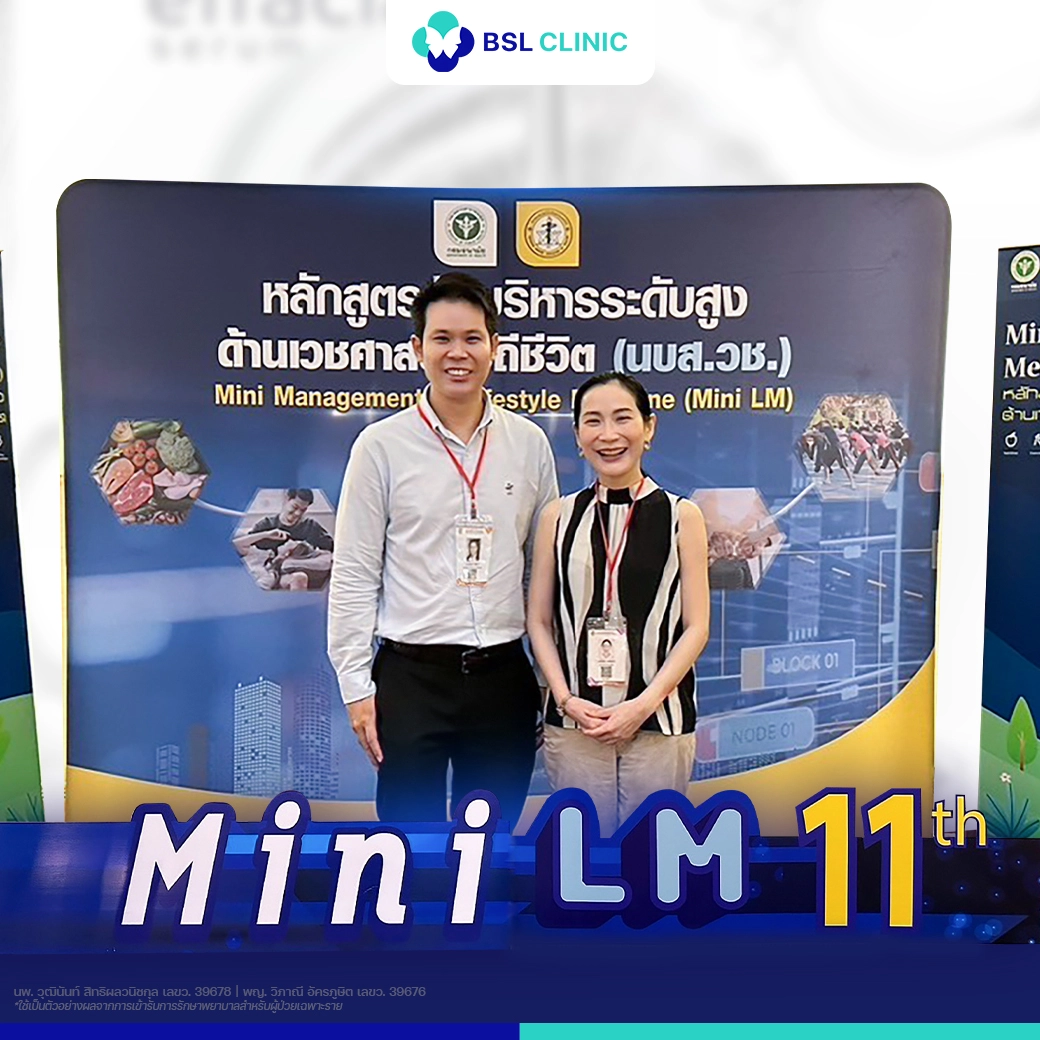
BSL physicians participated in Mini LM – Class 11, an executive program in lifestyle medicine.
The curriculum covered health promotion, disease prevention, and chronic condition management, emphasizing a holistic approach that considers genetic, environmental, and lifestyle factors. Insights from the program support individualized planning for overall health and skin health at BSL Clinic.

Wipanee Akarapusit M.D. Medical License No. 39676 *Individual results may vary depending on individual patient
Our physicians participated in a national academic conference to exchange knowledge in dermatology and aesthetic medicine. The meeting addressed treatment approaches, prevention strategies, and the management of potential complications, supporting informed care planning tailored to each individual.
Acne Acne Marks and Acne Scar Treatment Program, Freckle Treatment Program, Melasma Treatment Program, Scar Treatment Program, Capillary Treatment Program, Capillary Red Birthmark and Facial Redness Treatment Program, Keratosis Pilaris Treatment Program, Mole Beauty Mark Skin Tag Seborrheic Keratosis and Syringoma Treatment Program, Varicose Vein Treatment Program, Sensitive Skin Treatment Program
Bright Skin and Dull Skin Treatment Program, Dark Lip Treatment Program, Smooth Underarm Treatment Program, Hair Removal Laser Program, Sweat and Body Odor Reduction Program, Tattoo Removal Laser Program
Non-Surgical Face Lifting Program, Face Tightening and Contouring Program, V-Shape Face Slimming Program, Facial Wrinkle Reduction Program, Forehead Wrinkle Treatment Program, Brow Lift and Droopy Eyelid Reduction Program, Eye Area Skin Treatment Program, Cheek Tightening Program, Cheek Volume Enhancement Program, Nose Wing Reduction and Definition Enhancement Program, Lip Plumping Program, Non-Surgical Chin Injection Program, Double Chin Reduction Program, Neck Tightening Program
Upper Arm Reduction Program, Abdominal Reduction Program, Waist Reduction Program, Bra Line Fat Reduction Program, Back Waist Fat Reduction Program, Thigh Reduction Program, Knee Fat Reduction Program, Calf Reduction Program, Under Buttock Fat Reduction Program
Hair Loss Thinning Hair and Baldness Treatment Program, Dandruff and Itchy Scalp Treatment Program, Non-Surgical Hair Transplant Program
Copyright© 2025 BSL Clinic bslclinic. All rights reserved.